
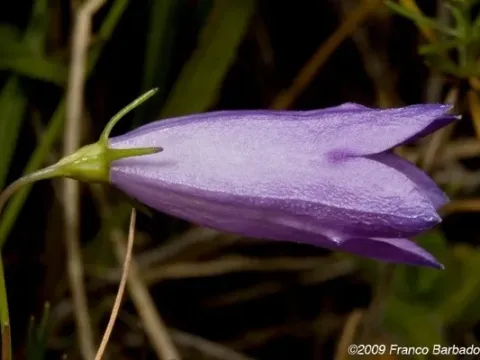
Campanula pseudostenocodon
Campanula pseudostenocodon
The Campanula pseudostenocodon is a perennial flowering species belonging to the Campanulaceae family, valued in specialized horticulture for its unique form.
What the section contains
Campanula pseudostenocodon
Sowing in open ground is best performed in late autumn, allowing the seeds to undergo natural winter stratification, which is crucial for germination.
For greenhouse cultivation, sow seeds in early spring onto a fine, well-draining potting medium, pressing them gently rather than burying them deep.
Maintain consistent moisture and a temperature of approximately 18–20°C throughout the germination phase to ensure a high success rate.
Once seedlings have developed two sets of true leaves, they should be hardened off before being transplanted into their final garden positions.
This species thrives in fertile, well-drained loamy soils and prefers a neutral to slightly alkaline pH to reach its full development potential.
It is a sun-loving plant that requires full sunlight exposure to maintain its compact growth habit and produce abundant flowers during the season.
While hardy, the plant requires protection from harsh wind and should be kept away from waterlogged areas to prevent damage to the delicate root system.
Regular moderate watering is essential during dry spells, as drought stress can prematurely terminate the flowering period of the bellflower.
Applying a balanced fertilizer in the early stages of spring helps promote strong stem development and enhances the vibrancy of the blooms.
Slugs and snails are the most prominent pests, often causing significant damage to the foliage, especially during humid weather conditions.
Powdery mildew may develop if the plant is grown in areas with poor ventilation or if the planting density is too high for the specific microclimate.
Root rot is a common issue caused by overwatering, necessitating a strict adherence to a well-structured irrigation schedule to maintain plant health.
Managing the surrounding area by removing weeds prevents competition for nutrients and limits the habitats where pests might easily hide.
Timely application of appropriate fungicides can effectively control fungal outbreaks, ensuring the longevity and health of the flowering stands.