
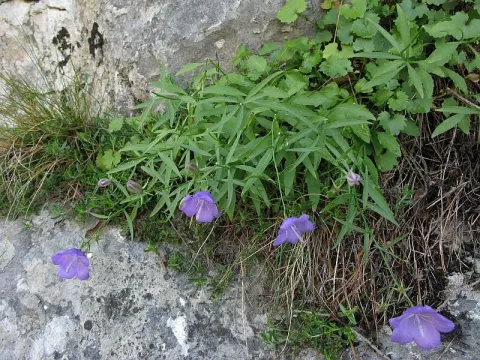
Campanula macrorrhiza
Campanula macrorrhiza
The sowing of Campanula macrorrhiza is typically performed in early spring, during March or April, often utilizing greenhouse propagation to ensure high germination rates. The seeds are extremely fine, requiring surface sowing where they are barely pressed into the moist, porous substrate rather than buried deeply.
What the section contains
Campanula macrorrhiza
Successful germination depends on a stable temperature range of 18–20 degrees Celsius combined with ample light, which acts as a physiological trigger for the seeds. Within two to three weeks, seedlings usually emerge, provided that the soil moisture levels are kept constant.
Transplanting into the permanent garden site should be delayed until the risk of late spring frosts has passed. The plants require a well-prepared area that allows for enough space to accommodate their future root development and foliage spread.
Direct outdoor sowing is possible in warmer climates during the autumn, which allows the seeds to undergo a natural stratification process. This often results in more robust, well-adapted seedlings compared to those started exclusively indoors.
When selecting a site, it is crucial to ensure that the area receives sufficient morning light while remaining shielded from the intense afternoon heat, which can stress the plants during their early stages of growth.
Campanula macrorrhiza, a member of the Campanulaceae family, is a distinct perennial known for its hardy nature when grown in appropriate environmental conditions. It thrives in well-drained, slightly alkaline, or neutral soils, mirroring the rocky habitats of its origin.
The primary botanical characteristic is its thick, fleshy root system, which serves as a vital nutrient storage organ. Due to this adaptation, the plant is highly susceptible to root rot if placed in heavy, waterlogged soil, making drainage the most critical aspect of soil management.
The species requires a climate that provides a balance between sufficient sunlight and moderate temperatures. It is well-suited to gardens where natural rock features can provide the necessary microclimate conditions that favor its healthy, sustainable growth.
Agrotechnical care includes regular, moderate watering, ensuring that the substrate remains damp but never soggy. Supplemental feeding with a low-nitrogen, balanced fertilizer during the vegetative growth period encourages stable foliage development and blooming.
Surrounding the base of the plant with gravel or coarse grit serves as an effective mulch, protecting the foliage from soil contact and reducing moisture-related disease pressure. This practice is essential for maintaining a clean and healthy aesthetic for the plant.
Fungal pathogens are the most significant threat to the health of this species, especially in environments with poor ventilation or high humidity. Root rot is a constant risk if the soil moisture levels are not carefully managed, requiring immediate remediation.
Powdery mildew can infect the leaves during periods of fluctuating temperatures or high atmospheric humidity. Maintaining proper spacing between individual plants is the best preventative strategy, as it ensures adequate airflow across the leaf surfaces.
Slugs and snails are the most common pests that can quickly decimate the aesthetic value of the plant by feeding on soft tissues. Gardeners often use physical barriers or organic bait to manage these populations during wet weather cycles.
Aphids might colonize the succulent tips of the flowering stems, which can stunt the growth of the plant if left unchecked. A simple application of insecticidal soap or neem oil is usually sufficient to control localized infestations without harming the plant.
Consistent monitoring and early detection of symptoms are essential components of an effective pest and disease management program. By prioritizing plant vigor through proper site selection, gardeners can significantly lower the incidence of these biological threats.