
Campanula incurva
Campanula incurva
Description
Sowing dates
Campanula incurva, a member of the Campanulaceae family, is a biennial or short-lived perennial that provides beautiful displays in garden borders.
Seeds are best sown in early spring or late summer, requiring surface sowing as they need light to germinate efficiently.
When starting indoors, maintain a consistent temperature of around 15–20 degrees Celsius to ensure healthy seedling development.
The transition to permanent outdoor locations should occur when the seedlings are robust enough to withstand fluctuating environmental conditions.
Thinning is necessary if plants are grown in clusters to prevent overcrowding and ensure adequate airflow for healthy growth.
Growing requirements
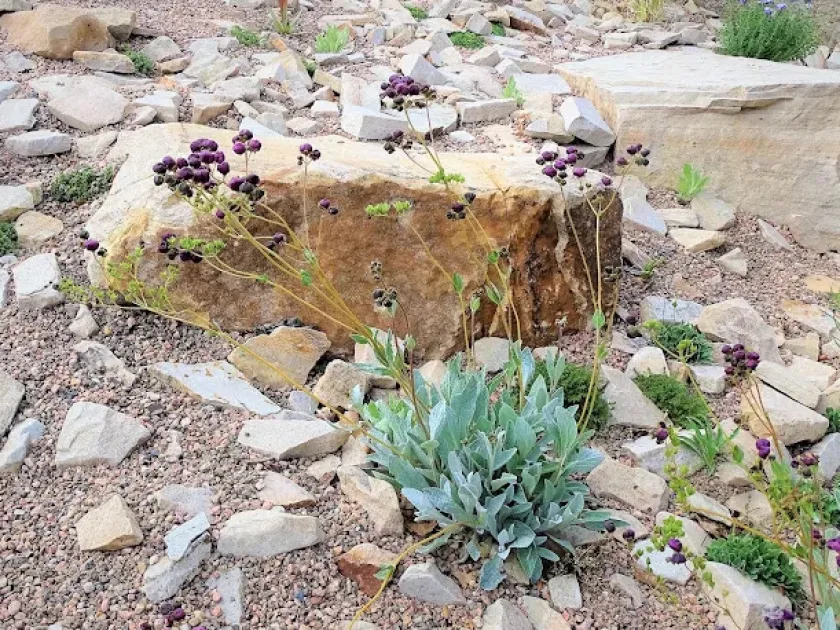
Native to Greece, this plant thrives in limestone-rich soils with excellent drainage, reflecting its origins in rocky alpine habitats.
It prefers full sun to partial shade, requiring protection from extreme heat and excessive moisture during the rainy seasons.
Soil should be kept consistently moist but never waterlogged, as the roots are highly susceptible to rot in poorly aerated environments.
Low-nitrogen fertilizers are recommended in early spring to encourage floral development rather than excessive foliage growth.
Space the plants at least 25 cm apart to allow for proper expansion and to minimize competition for nutrients and soil moisture.
Main diseases and pests
Root rot is the most significant threat, typically triggered by improper soil drainage or excessive irrigation during cool weather.
Slugs and snails can cause severe damage to the foliage, especially during spring nights, requiring proactive manual collection or trapping.
Powdery mildew may manifest as a white film on leaves if the plants are placed in areas with stagnant air and insufficient light.
Aphids can occasionally colonize the flower stalks, which necessitates regular inspection and potential treatment with insecticidal soaps.
Maintaining a clean garden bed by removing debris and dead foliage significantly reduces the risk of pest infestations and fungal spores.