
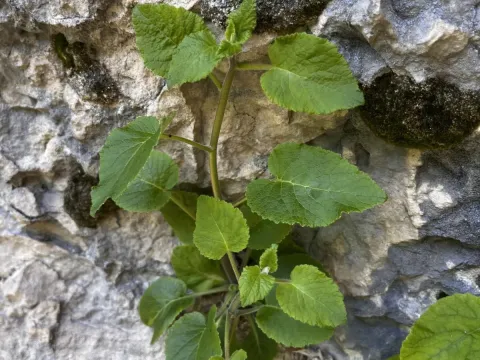
Campanula pendula
Campanula pendula
Sowing seeds of Campanula pendula is best carried out in autumn by direct seeding, allowing the seeds to undergo natural winter stratification.
What the section contains
Campanula pendula
Alternatively, seeds can be sown indoors in late winter or early spring using a sterile seed-starting mix to ensure successful germination.
Due to their minute size, the seeds should be sown on the surface of the growing medium and pressed gently rather than buried deeply.
Maintaining a constant humidity level and a temperature range of 18–20 degrees Celsius is crucial for consistent seedling emergence.
Transplanting to the final location in the garden should occur once the danger of frost has passed to ensure the establishment of the root system.
Campanula pendula is a member of the Campanulaceae family, naturally occurring in the mountainous regions of the Caucasus, which defines its ecological needs.
The plant requires well-drained, fertile soil with a neutral to slightly alkaline pH to thrive and develop its characteristic nodding flowers.
It prefers locations with full sun to light shade, provided that the soil is not prone to waterlogging, as stagnant water is detrimental to its roots.
While the species is relatively hardy, it appreciates moderate moisture throughout the growing season and protection from harsh, drying winds.
Regular maintenance, including weeding and thinning of overcrowded plants, is essential to ensure adequate airflow and nutrient access for the flowers.
The primary threats to Campanula pendula include fungal diseases such as powdery mildew and various types of root rot, often triggered by excessive moisture.
Slugs and snails are major pests that can severely damage the foliage, especially during humid weather conditions, necessitating vigilant control measures.
Aphids can infest the plant, feeding on the tender shoots and flower buds, which may result in stunted growth and deformed blooming patterns.
Effective pest management relies on keeping the garden area clear of debris where pests might hide and using appropriate pesticides when infestations are noted.
Maintaining proper spacing between plants is a fundamental cultural practice that significantly reduces the risk of widespread fungal infections.