
Campanula phrygia
Campanula phrygia
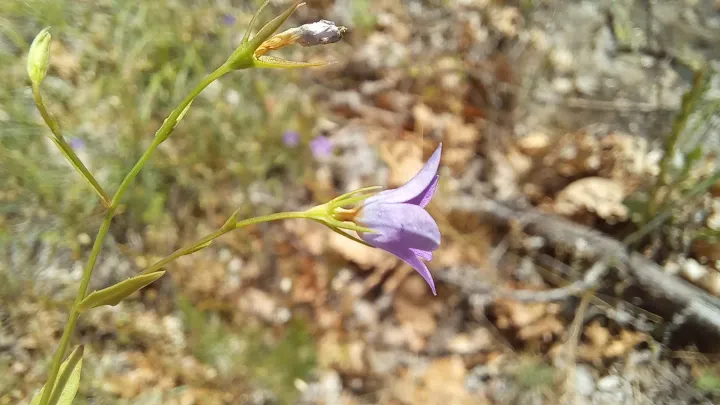
Description
Sowing dates
Sowing Campanula phrygia is best performed in early spring once the threat of heavy frost has passed and soil temperatures consistently stay above 10 degrees Celsius.
The seeds are minute and require surface sowing; they should be pressed gently into a well-draining seed-starting mix without being covered by soil to receive light.
Indoor sowing in late winter allows for better management of the germination process, ensuring higher success rates for early-season transplanting into the field.
Maintaining high humidity around the seeds during the first two weeks is crucial, which can be achieved by using a plastic cover until the first cotyledons emerge.
Spacing should be strictly managed, with seedlings thinned or transplanted to ensure adequate airflow, which is vital for the health of this particular species.
Growing requirements
This species thrives in sunny, open locations with well-draining soil, reflecting its natural habitat in the rocky and mountainous regions of its native range.
Soil pH should ideally be neutral or slightly alkaline, as acidic conditions can hinder nutrient uptake and lead to weakened growth or chlorosis.
While Campanula phrygia is adapted to withstand periods of natural drought, regular and controlled watering is recommended to promote lush flowering during the active season.
Good ventilation is a key requirement for successful cultivation, as stagnant air can lead to the rapid development of fungal pathogens on the delicate foliage.
Soil structure should be friable and light; adding grit or sand to heavier soils will significantly improve performance and prevent root-related issues throughout the cycle.
Main diseases and pests
Root rot, caused primarily by over-irrigation and poor drainage, remains the most significant threat to the survival and productivity of the Campanula phrygia crop.
Powdery mildew represents a seasonal risk, especially when humidity spikes during the transition between spring and summer, requiring prompt prophylactic treatment.
Gastropods, including snails and slugs, are primary pests that can rapidly devastate tender young shoots and buds during damp weather conditions.
Aphids may infest the flower buds and young stems, leading to stunted development and reducing the ornamental value of the harvested stalks.
Integrated pest management strategies, such as physical barriers for slugs and careful irrigation practices, are more effective than relying solely on chemical intervention.
Harvesting
Harvesting for floral use should occur early in the morning when the plant has peak turgidity, ensuring the stems remain fresh for longer periods after cutting.
Seed harvesting should be timed carefully, targeting the moment when capsules are brown and dry but before they naturally dehisce and scatter their contents.
Dried capsules should be processed by gentle threshing in a controlled environment to collect the seeds while minimizing the inclusion of chaff and debris.
Post-harvest conditioning of seeds involves air-drying them in a dark, cool place to prevent degradation of viability due to moisture or temperature fluctuations.
Properly cleaned seeds should be stored in airtight containers at low temperatures to ensure maximum germination rates for the following planting cycle.