
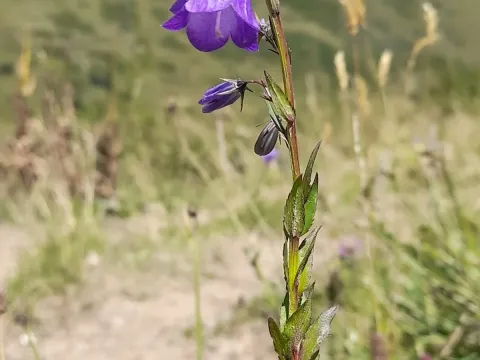
Campanula precatoria
Campanula precatoria
Campanula precatoria belongs to the Campanulaceae family and is a valued ornamental species. Seeds should be sown in the spring when soil temperatures reach 12–15 degrees Celsius for optimal germination success.
What the section contains
Campanula precatoria
For earlier blooms, starting seeds in containers indoors during March is recommended. This method ensures a robust plant structure before transplanting into the open garden once frost risk has passed.
Due to the small size of the seeds, they should be sown shallowly, with a covering of no more than 0.5 centimeters of soil. Gentle misting is required after sowing to keep the medium moist without disturbing the seeds.
Maintaining proper spacing is crucial for healthy development; plants should be set 25 to 30 centimeters apart. This spacing prevents overcrowding and encourages better airflow through the canopy.
Seedlings typically emerge within 14 to 20 days. Once the first true leaves have developed, thin or transplant the seedlings to their final location to provide them with adequate growing space.
The plant thrives in well-drained, fertile, loamy soil with a neutral to slightly alkaline pH. Proper drainage is the most important factor in preventing root-related issues and ensuring long-term health.
Campanula precatoria prefers full sun or light partial shade. In extremely hot climates, some shade during the hottest part of the day is beneficial to prevent leaf scorching and dehydration.
Regular application of balanced fertilizers during the growing season supports abundant flowering. Apply a slow-release fertilizer in early spring and supplement before the buds begin to form.
While generally hardy, the plant benefits from a layer of mulch in regions with harsh, snowless winters. This helps protect the crown and superficial roots from freezing temperatures.
Cultivate the soil surface carefully to eliminate weeds and improve aeration. Since the root system is relatively shallow, avoid deep digging close to the base of the plant to prevent damage.
The primary value of Campanula precatoria lies in its ornamental display, featuring a long flowering period throughout the summer. Consistent deadheading is essential for maintaining aesthetic appeal.
Under optimal conditions, a single well-tended plant can produce numerous floral spikes. Proper maintenance encourages the plant to form secondary buds, extending the display through late summer.
This species is highly sought after for rock gardens, mixed borders, and urban landscaping projects. Its ability to create dense rosettes makes it an excellent choice for ground cover.
Seed harvesting should be performed in late August before the seed capsules shatter. This ensures a high-quality supply of seeds for the following season's propagation efforts.
Professional nurseries often cultivate this species as a container crop, focusing on high-quality potting mixes to ensure plants are ready for immediate landscaping use by customers.
Fungal diseases, such as powdery mildew, are the most frequent threats, especially during periods of high humidity. Proper plant spacing is the most effective preventative measure against these issues.
Root rot often occurs if the soil remains waterlogged for extended periods. Ensuring excellent drainage and avoiding over-watering are key strategies for avoiding this lethal condition.
Slugs and snails can cause significant damage to the foliage during the spring. Implementing manual traps or using organic molluscicides around the base of the plants can effectively mitigate damage.
Aphids may occasionally target the developing flower buds, sucking sap and inhibiting growth. If infestations occur, targeted application of insecticidal soap is recommended.
Monitoring the garden for early signs of infection or pest presence is critical. Prompt removal of affected leaves or stems helps contain localized problems before they spread.
When harvesting flowers for bouquets, cut the stems in the early morning while the buds are beginning to open. This timing maximizes the vase life and overall vitality of the stems.
To collect seeds, wait until the capsules turn brown but have not yet cracked. Drying them in paper bags allows them to finish maturing while preventing seed loss in the garden.
At the end of the growing season, prune the foliage down to a low level. This prepares the plant for winter dormancy and promotes vigorous regrowth in the following spring.
Ongoing removal of spent blooms throughout the summer is a standard maintenance practice. This redirects the plant's energy toward root development rather than seed production.
Division of the plant is recommended every few years to rejuvenate older specimens. This should be done during the dormant period in spring or fall to ensure successful re-establishment.