
Campanula moesiaca
Campanula moesiaca
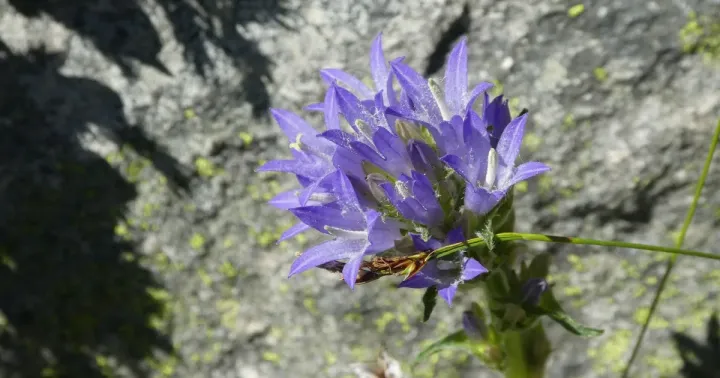
Description
Sowing dates
Campanula moesiaca belongs to the Campanulaceae family and is recognized as a distinctive herbaceous perennial. While often appreciated for its wild beauty, it is frequently cultivated in professional nurseries as an ornamental crop.
The optimal sowing time for this species is in early spring once the threat of frost has passed. Seeds can be sown directly into prepared garden beds or started indoors in trays during the late winter to ensure a longer growing season.
When sowing, it is essential to keep in mind that the seeds are extremely small. They should be surface-sown onto a fine, moist potting mix and lightly pressed down without being buried deep under the soil, as they require light for germination.
Transplanting seedlings to their final location is best performed when they reach a height of approximately 5–7 centimeters. Careful handling of the root system is necessary to minimize transplant shock and encourage rapid establishment.
Proper spacing is a vital part of the sowing and planting process. Providing at least 30 centimeters between plants ensures sufficient airflow, which is critical for reducing humidity-related diseases during the peak growth months.
Growing requirements
Campanula moesiaca thrives in environments that mimic its natural habitats, favoring well-drained, nutrient-rich soils. It does not tolerate waterlogged conditions, which can lead to rapid decay of the crown and root system.
The preferred light exposure for this plant is full sun to partial shade. In regions with extremely hot summers, some afternoon shade is recommended to prevent leaf scorching and to prolong the blooming period.
The soil pH should ideally be neutral or slightly alkaline. Incorporating organic matter into the soil prior to planting helps improve moisture retention while maintaining the necessary structural porosity for healthy root expansion.
Regular watering is required during the establishment phase and throughout the active growing season. However, it is crucial to allow the surface layer of the soil to dry out between watering sessions to prevent fungal development.
Fertilization should be handled with care. A balanced, slow-release fertilizer applied at the start of the growing season is usually sufficient to support the plant's nutritional needs without causing excessive, weak vegetative growth.
Main diseases and pests
Slugs and snails are the most common pests for this plant, particularly during wet weather. Implementing protective barriers or using organic bait stations is an effective strategy for protecting young shoots and foliage.
Powdery mildew represents a significant fungal threat, especially in areas with poor circulation and high humidity. Regular thinning of the plants and application of approved fungicides can manage the disease effectively.
Root rot, caused by various soil-borne pathogens, is a major risk in compacted or poorly drained soils. The best defense is ensuring adequate drainage and avoiding overhead irrigation that leaves foliage damp for extended periods.
Aphids can occasionally infest the flower buds during late spring. While usually a minor issue, heavy infestations may require the use of insecticidal soap or neem oil to keep the population under control without harming pollinators.
Sanitation practices, such as removing dead foliage and debris from the base of the plant, are essential. This reduces the habitat for pests and pathogens, contributing to a healthier and more resilient stand of Campanula moesiaca.