
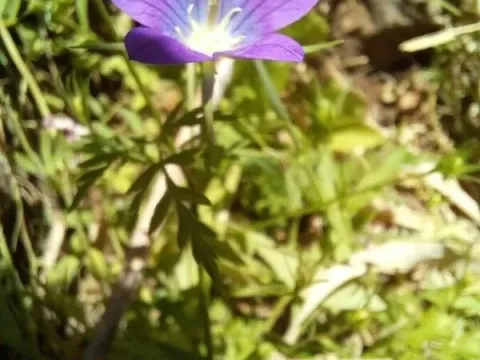
Campanula retrorsa
Campanula retrorsa
Campanula retrorsa is a distinguished species within the Campanulaceae family, native to the rugged terrains of the eastern Mediterranean. The plant derives its scientific name from the retrorse (downward-pointing) hairs covering its stems.
What the section contains
Campanula retrorsa
For optimal growth, this crop requires well-drained, calcareous soil. It thrives in sites where water logging is avoided, making it an excellent candidate for rocky gardens or elevated beds that mimic its natural habitat.
Light intensity plays a crucial role in the development of the species. It demands full sun exposure to ensure structural integrity of the stems and to stimulate a prolific flowering cycle throughout the vegetative season.
The climate requirements include moderate temperatures and low humidity, as the plant is adapted to Mediterranean weather patterns. It exhibits significant drought tolerance once fully established in the landscape.
Agronomic management involves regular weeding and the application of fertilizers high in potassium to promote floral health. It is essential to ensure that the crown of the plant remains dry to prevent physiological stress.
Root rot caused by fungi such as Phytophthora remains the primary threat, especially in soils that lack proper aeration or drainage. Proper soil preparation is the most effective preventative measure.
Powdery mildew represents a common foliage disease, occurring when nighttime temperatures fluctuate significantly in combination with high humidity levels. Management includes localized fungicide application.
Slugs and snails are the most damaging pests, particularly during the juvenile stages of the plant's growth. Physical barriers or eco-friendly bait can effectively mitigate this risk to the foliage.
Aphids might cluster around the budding flowers, extracting sap and weakening the plant's overall vitality. Manual removal or the use of neem-based solutions can control these insect populations.
Maintaining a clean, debris-free environment around the base of the plant is vital to discourage the overwintering of pathogens and harmful insect larvae in the rhizosphere.