
Campanula hybrid
Campanula hybrids
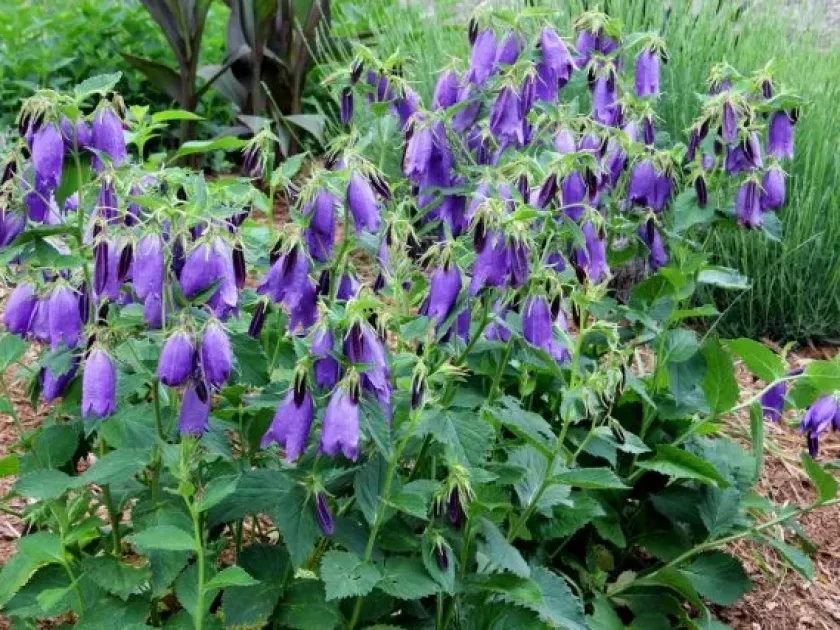
Description
Sowing dates
Sowing Campanula hybrid seeds indoors in late winter or early spring is recommended to ensure the plants bloom within the first growing season.
The seeds are extremely small and require light to germinate, so they should be sown on the surface of the growing medium without covering them with soil.
Outdoor sowing can be performed in spring once the soil temperature is consistently above 10 degrees Celsius, or via autumn sowing for better germination.
Vegetative propagation by dividing mature clumps in spring or late summer is the preferred method to maintain the unique traits of specific hybrid varieties.
Stem cuttings taken from young basal shoots in early summer can be rooted in a well-draining sandy substrate under humid conditions.
Growing requirements
Campanula hybrid belongs to the Campanulaceae family and represents a group of cultivated plants selectively bred for enhanced flower size and color intensity.
These plants thrive in sunny locations, though they benefit from partial shade during the hottest part of the day in regions with high solar radiation.
A well-draining, fertile, and slightly alkaline soil is optimal for robust growth, as the root system is sensitive to waterlogging and poor soil aeration.
Consistent moisture is necessary for healthy development, but water management is critical to prevent root rot, especially during cooler and humid periods.
Regular fertilization with balanced NPK fertilizers during the pre-flowering stage promotes vigorous growth and increases the quantity of inflorescences.
Main diseases and pests
Fungal diseases like powdery mildew pose a significant threat to Campanula hybrids, especially in high-density plantings with poor airflow and high humidity.
Root rot caused by stagnant water is a common issue that can destroy plants rapidly if the soil drainage is not properly maintained.
Common pests include aphids, which suck sap from the tender foliage, and slugs, which can consume significant portions of the leaves during the night.
Integrated pest management strategies, such as biological control and timely application of specialized fungicides, are essential for keeping plants healthy.
- Regular inspection of foliage for signs of aphids.
- Ensuring proper spacing to improve air circulation.
- Using copper-based fungicides for early disease prevention.
Harvesting
The primary economic use of Campanula hybrid is in the floral industry for cut flowers and as a high-demand ornamental plant for garden landscaping.
For cut flower production, stems are harvested when the lower buds start to open, ensuring a longer vase life for the bouquet.
Deadheading spent flowers is a crucial maintenance practice that encourages secondary blooming and improves the overall aesthetic of the plant.
Post-flowering maintenance involves cutting back the foliage to the ground level, which helps the plant store energy and prepare for winter dormancy.
During commercial harvest, flowers are bunched and stored at 4–6 degrees Celsius to maintain turgidity and quality before reaching the end consumer.