
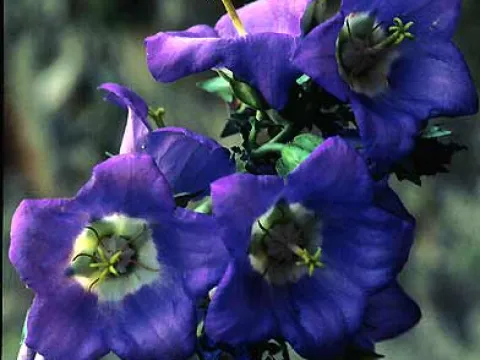
Campanula laciniata
Campanula laciniata
Campanula laciniata belongs to the Campanulaceae family and is recognized for its unique adaptation to lithophytic environments, often found growing in rocky crevices throughout its native habitat in the Aegean islands.
What the section contains
Campanula laciniata
This species is well-adapted to a Mediterranean climate, characterized by warm, dry conditions. In cultivation, it requires a similar environment, particularly emphasizing the need for intense sunlight to maintain its compact and healthy growth habit.
Soil composition is critical; the plant thrives in well-drained, lime-rich substrates. It is highly intolerant of wet winter conditions, which necessitate an effective drainage system or the use of raised beds filled with gravelly material.
Botanically, it features distinctive laciniated (deeply cut) leaves and large, bell-shaped flowers arranged in a paniculate inflorescence, making it a highly prized specimen for alpine garden enthusiasts.
Regarding its use, Campanula laciniata is primarily cultivated as an ornamental plant in specialized rock gardens or as a pot plant where soil moisture and pH can be strictly managed to replicate its natural rocky niche.
The primary threats to Campanula laciniata include fungal pathogens that thrive in high-humidity conditions, which can lead to root rot and compromise the structural integrity of the plant's crown.
Slugs and snails pose a severe threat, especially in spring, as they are attracted to the foliage. These pests can cause significant defoliation, leading to stunted growth or even total plant death if infestations are not controlled.
To prevent disease outbreaks, cultivators should ensure excellent airflow around the plant. This is usually achieved by keeping the foliage dry and avoiding overhead irrigation during the evening hours.
Integrated pest management strategies involve the use of physical barriers, such as sharp gravel or coarse sand around the base, to deter crawling insects and mollusks from accessing the plant.
Timely application of systemic fungicides and molluscicides may be necessary in seasons with abnormally high rainfall to ensure the plant remains robust and maintains its ornamental appeal.