
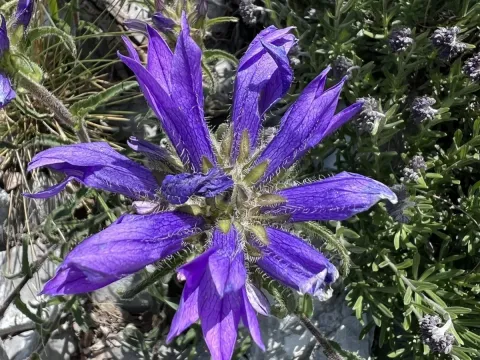
Campanula lingulata
Campanula lingulata
Campanula lingulata is a biennial herbaceous plant belonging to the Campanulaceae family. During its first year, it develops a basal rosette, while in the second year, it produces flowering stems, which is the defining characteristic of its life cycle.
What the section contains
Campanula lingulata
Sowing should ideally take place in the spring when the soil has sufficiently warmed up. Autumn sowing is also an option, as it allows seeds to undergo natural stratification, which often results in more uniform germination the following season.
The seeds are extremely small; therefore, they should be sown on the soil surface and only lightly pressed down. It is essential to maintain consistent moisture in the top layer of the substrate to ensure successful germination without washing the seeds away.
For greenhouse or container cultivation, sowing in late winter into a light peat-based mix is recommended. This approach produces robust seedlings that are well-prepared for transplanting into the field once the threat of frost has passed.
When transplanting to a permanent location, maintain a spacing of 25–30 centimeters between individual plants. Proper spacing allows for adequate airflow around the basal rosette, reducing the risk of humidity-related issues.
This species thrives in sunny locations where it can express its full floral potential. While it can tolerate partial shade, bright light is essential for maintaining strong stems and promoting a vibrant, extended blooming period.
Campanula lingulata requires fertile, well-drained soil with a neutral or slightly alkaline pH. Good drainage is critical, as stagnant water around the roots can lead to rapid decay and plant failure during wet periods.
The plant is adapted to temperate climates but may require light winter protection in regions with harsh, snowless winters. Applying a layer of mulch or covering the plants can help protect the growing point from extreme cold.
Moderate but consistent watering is necessary during the active growth phase. Once the plant has flowered, water requirements typically decrease, and overwatering should be avoided to prevent moisture-related stress.
Occasional fertilization with balanced minerals in early spring encourages healthy foliage growth. It is important to avoid excessive nitrogen application, as it can cause soft growth that is more susceptible to disease and lodging.
Fungal diseases, particularly powdery mildew, are the most significant threats to this crop. These diseases often emerge in stagnant air conditions, making proper spacing and plant placement vital for prevention.
Root rot is a major risk associated with poor soil structure and excessive watering. Ensuring that the soil stays porous and avoiding waterlogging at the base of the plant are the primary methods for preventing these fungal pathogens.
Slugs and snails frequently cause damage to young foliage, especially during damp seasons. Utilizing physical barriers, such as copper tape or crushed eggshells, can provide effective protection for young specimens.
Aphids may occasionally infest the flowering stalks, weakening the plant by extracting sap. Early detection and treatment with insecticidal soap are effective ways to manage populations without harming the plant's overall health.
Maintaining a clean garden environment by removing weeds and plant debris is the best cultural practice to reduce the impact of pests and diseases. Healthy, stress-free plants generally show higher natural resistance.