
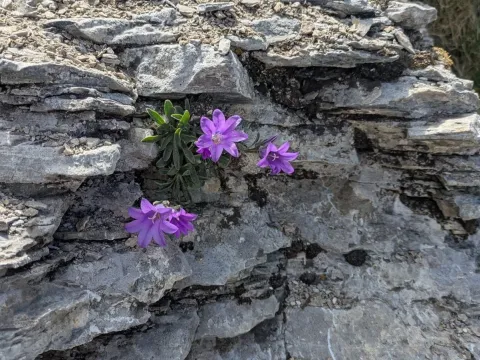
Campanula oreadum
Campanula oreadum
Sowing seeds of Campanula oreadum is best achieved through late autumn or early spring planting following a stratification period. As the seeds are extremely small, they should be surface-sown onto a fine, moist medium and left uncovered to receive light.
What the section contains
Campanula oreadum
Maintaining a steady environment with temperatures around 15-18 degrees Celsius is vital for successful germination. The seedbed must be kept moist but never waterlogged to ensure the delicate seedlings thrive.
Seedlings develop slowly during their first year, requiring careful handling during prick-out stages. It is crucial to maintain high light levels for young plants to prevent etiolation and ensure strong, compact growth.
Utilizing high-quality sterile compost mixed with horticultural grit helps improve aeration for the sensitive root system. Avoid over-crowding the plants to allow for consistent air circulation.
Transplanting into the final growing location should occur after the last frost, ensuring the soil is prepared to mimic the gritty, well-draining conditions typical of their high-altitude origin.
Campanula oreadum is a member of the Campanulaceae family, naturally occurring in mountainous regions on limestone soils. It thrives in open environments with high light intensity and excellent soil drainage.
The plant requires a neutral to slightly alkaline soil pH, and it is intolerant of heavy, nutrient-rich or clay-based substrates. It is essential to ensure the medium is gritty and porous to prevent root rot.
This species is well-adapted to harsh alpine climates, showing great tolerance to low winter temperatures. However, it requires protection from excessive moisture during the dormant season, which can cause crown decay.
Watering requirements are moderate; the plant prefers to dry out between waterings. Excessive humidity in the root zone must be avoided at all costs, especially during the peak of the growing season.
The primary use of this culture is decorative, making it an excellent candidate for rock gardens, trough plantings, and alpine crevices where it provides a classic, delicate appearance.
Fungal pathogens such as root rot and powdery mildew are the most common threats to Campanula oreadum, typically triggered by poor air circulation and excessive moisture in the growing medium.
To mitigate disease risks, providing a layer of fine grit around the collar of the plant is highly recommended. This practice ensures that the leaves do not sit directly on damp soil.
Slugs and snails can pose a significant threat to young plants, especially in wet weather. Implementing barrier methods or regular monitoring helps to preserve the aesthetic value of the garden.
Effective management of diseases also involves regular sanitation of the planting area. Dead or damaged foliage should be removed promptly to prevent the accumulation of pathogens and pests.
If chemical interventions are necessary, they should be applied with caution, utilizing products compatible with sensitive alpine plants to avoid chemical burns or systemic damage to the foliage.