
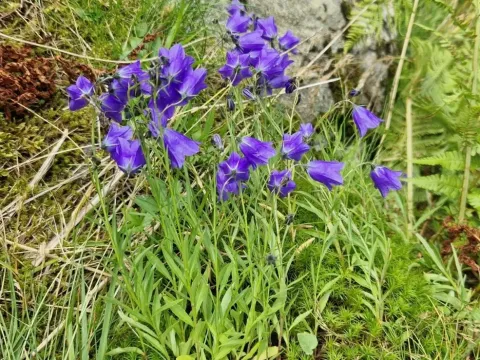
Campanula serrata
Campanula serrata
Campanula serrata, commonly known as the serrated bellflower, is a perennial herbaceous plant belonging to the Campanulaceae family. It is a rare species native to mountainous regions, particularly the Carpathians, adapted to specific high-altitude conditions.
What the section contains
Campanula serrata
The plant thrives in nutrient-rich, well-draining loamy soils that maintain moderate moisture levels. Because it is highly susceptible to root rot, ensuring excellent drainage is the most critical factor in its successful cultivation in garden environments.
In terms of light exposure, Campanula serrata prefers bright, filtered sunlight. While it appreciates morning sun, it performs best when protected from intense heat during the peak of the afternoon, as excessive direct light can scorch its delicate foliage.
Temperature requirements are defined by its alpine origin, making it highly frost-tolerant during winter months. However, the plant does not perform well in environments with extremely high humidity paired with stagnant air, requiring a location with good natural ventilation.
Botanically, this species is noted for its erect stems and characteristically serrated leaves, which give the plant its specific name. It forms dense clumps that produce striking violet-blue flowers, making it a valuable subject for rock gardens and perennial borders.
Fungal diseases, particularly crown and root rot, are the primary threats to Campanula serrata. These pathogens thrive in waterlogged soil conditions, emphasizing the need for strictly controlled watering practices.
Slugs and snails are common pests that feed on the tender foliage of the bellflower, often leaving unsightly holes. Integrating manual removal and barrier methods is essential for maintaining the aesthetic quality of the plants.
Powdery mildew may occur if the plants are spaced too closely, reducing air circulation. To prevent this, cultivators should maintain adequate spacing between individual plants and avoid overhead watering to keep foliage dry.
Aphids can pose a risk during the early summer months by colonizing the developing buds. Regular monitoring and, if necessary, the use of organic insecticidal soaps can mitigate the impact of aphid infestations.
Nematodes are another concern, as they inhabit the soil and attack the root system, causing the plant to weaken and yellow. Soil health management and ensuring a clean, weed-free environment are key preventive measures.