
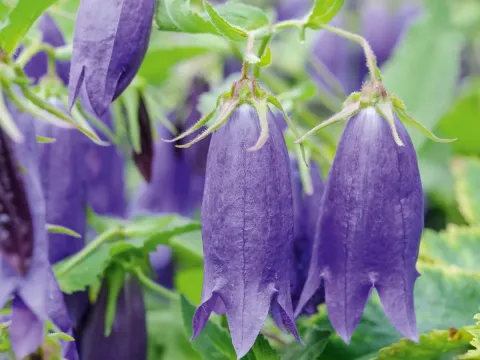
Campanula secundiflora
Campanula secundiflora
Seeds of Campanula secundiflora should be sown in early spring, ideally in well-drained seed trays or prepared garden beds.
What the section contains
Campanula secundiflora
As the seeds are tiny, they require surface sowing with only light pressing into the soil to ensure exposure to light, which is crucial for germination.
Maintaining high humidity with a plastic cover helps to create a favorable microclimate during the initial development phase of the seedlings.
Once seedlings achieve the stage of having two true leaves, they should be carefully pricked out into individual containers to allow for root expansion.
Gradual hardening off before transplanting into permanent outdoor locations is essential to ensure the plants withstand environmental stress effectively.
This species thrives in sunny or partially shaded locations, requiring consistent exposure to filtered light for optimal flowering performance.
The soil must be fertile, light, and possess excellent drainage properties to prevent water accumulation near the root collar.
Neutral pH levels are generally considered the best for supporting the physiological processes and nutrient uptake of this bellflower variety.
Regular watering is recommended during dry spells, ensuring the moisture reaches the root zone without creating waterlogged soil conditions.
Mulching the surrounding soil with organic matter helps retain soil moisture and suppresses weeds, reducing the maintenance burden.
Root rot caused by fungal pathogens is a significant threat, usually triggered by poor drainage or chronic overwatering of the plants.
Powdery mildew can affect the foliage during periods of high humidity and poor air circulation, necessitating the use of appropriate fungicides.
Garden pests like slugs and snails are highly attracted to the succulent foliage and can cause severe damage to young plants.
Aphid infestations may occasionally occur, weakening the plant by extracting sap from the developing flower spikes and stems.
Effective management strategies include maintaining proper plant spacing and ensuring good sanitation of the garden environment throughout the season.
For ornamental use in flower arrangements, stems should be harvested when the lower buds have opened, ensuring a long vase life.
Seed harvesting should be performed when the seed capsules have fully matured and turned brown, just before they naturally split open.
Post-harvest handling of seeds requires gentle drying in a well-ventilated, shaded area to prevent seed decay or loss of viability.
Flowers used for bouquets should be placed in fresh water, with stem ends trimmed regularly to maintain hydration and overall appearance.
Cleaned seeds should be stored in paper bags in a cool, dark, and dry place to ensure high germination rates for the following season.