
Campanula hercegovina
Campanula hercegovina
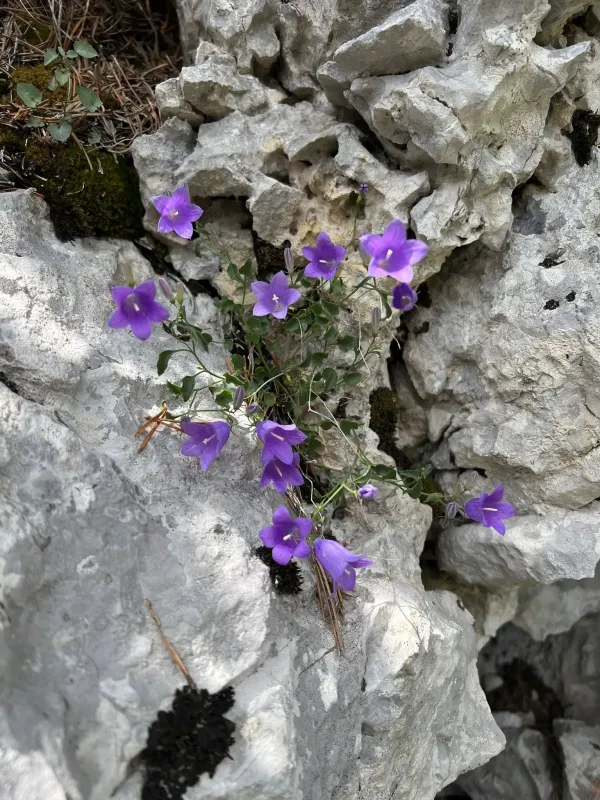
Description
Sowing dates
The sowing of Campanula hercegovina seeds is best performed in early spring, specifically in March or April, using a greenhouse or indoor seed tray method. Because the seeds are tiny, they should be surface-sown on moist compost without being buried deeply.
Germination requires stable conditions with temperatures maintained between +18°C and +20°C. It usually takes about two to three weeks for seedlings to appear, provided the soil remains consistently moist.
Pricking out should be carried out carefully once the first true leaves have developed. Given the fragile nature of the root system, handlers should use tweezers or small tools to minimize transplant stress.
Transplanting into the permanent garden location is recommended only after the danger of frost has passed in late May. Spacing should be approximately 15–20 centimeters apart to allow for proper airflow.
Vegetative propagation via division of mature plants is also a viable option in the autumn months. This method ensures faster establishment of the plants and preserves the specific characteristics of the parent.
Growing requirements
Campanula hercegovina belongs to the Campanulaceae family and is recognized as a hardy perennial species characterized by its delicate, star-shaped flowers and trailing habit.
This species thrives in well-lit, sunny positions, although it appreciates some light shade during the hottest parts of the day. Providing shelter from strong, drying winds is essential to prevent mechanical damage.
Soil requirements include excellent drainage, as the plant is highly susceptible to root rot in waterlogged conditions. Mixing grit or perlite into the growing medium is strongly advised for heavy soils.
A neutral to slightly alkaline soil pH is optimal for healthy growth. Regular application of a balanced fertilizer during the growing season helps sustain the plant’s energy for long-lasting flowering.
Watering should be balanced; while the plant is drought-tolerant once established, it requires consistent moisture during its peak flowering season to prevent the foliage from wilting.
Main diseases and pests
Slugs and snails are the most significant pests for this bellflower, as they often consume young foliage and delicate stems. Physical barriers or organic deterrents are effective methods of management.
Root rot is a major disease threat caused by poor soil drainage and excessive irrigation. Ensuring a quick-drying soil environment is the best preventative measure against fungal development.
Powdery mildew can occur in stagnant, humid environments. Maintaining adequate spacing between plants ensures proper ventilation, which significantly reduces the risk of this fungal disease spreading.
Aphids occasionally target the flower buds, potentially stunting growth or causing disfigured blooms. If an infestation occurs, treating the plant with insecticidal soap is generally effective.
Consistent garden maintenance, such as removing debris and dead foliage, creates an environment that discourages the buildup of pathogens and ensures the plant remains healthy throughout the year.