
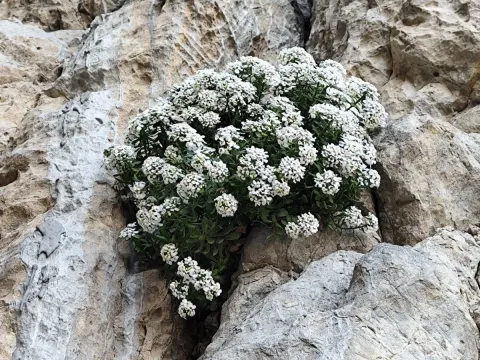
Iberis semperflorens
Iberis semperflorens
The cultivation of Iberis semperflorens, a member of the Brassicaceae family, is typically initiated through direct seeding in spring once the danger of severe frost has passed.
What the section contains
Iberis semperflorens
For greenhouse production, seeds are sown in late winter in well-draining trays, maintaining a temperature range of 18–20 degrees Celsius to ensure uniform germination.
When sowing in open fields, it is crucial to place seeds at a shallow depth, not exceeding 0.5 centimeters, and maintain a spacing of at least 25 centimeters between rows.
The germination period usually spans two to three weeks, during which consistent soil moisture is required without letting the substrate become waterlogged.
As seedlings emerge, they should be thinned out to allow sufficient airflow, which is a critical factor in preventing seedling damping-off diseases common in this genus.
Iberis semperflorens thrives in full sun exposure, requiring at least six hours of direct sunlight daily to produce high-quality, dense clusters of flowers.
The preferred soil profile should be alkaline or neutral, characterized by high permeability to ensure that roots do not sit in stagnant water during the dormant season.
While the plant is moderately drought-tolerant once established, it requires supplemental irrigation during the flowering phase to maintain bloom quality and plant vigor.
Soil fertility should be kept at a moderate level; excessive fertilization, especially with nitrogen, can lead to leggy, weak plants prone to lodging and decay.
Pruning is an essential maintenance practice, performed immediately after the primary flowering flush to encourage a compact habit and secondary blooming.
The most prevalent threats include fungal pathogens such as clubroot and various forms of root rot that proliferate under poor drainage and high humidity conditions.
Crucifer flea beetles represent the primary insect threat, which can cause severe foliage damage in the early growth stages, often necessitating protective covers.
Aphids may infest the plant during the flowering season, drawing sap from the floral stalks and potentially transmitting viral diseases to the host plant.
To mitigate these risks, crop rotation is recommended if the site was previously occupied by other Brassicaceae species to avoid soil-borne pathogen buildup.
General hygiene, including the removal of dead foliage and maintaining optimal plant spacing, remains the most effective cultural control against common pests and diseases.