
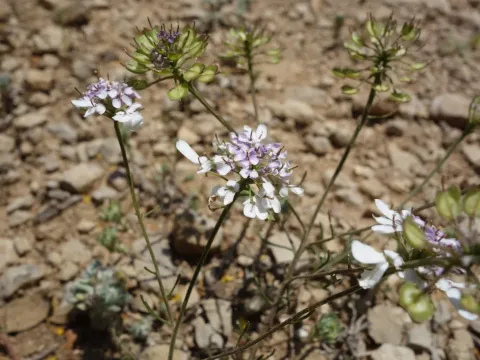
Iberis pinnata
Iberis pinnata
Iberis pinnata is an annual species typically propagated through direct seeding. The optimal sowing time in open soil is early spring, usually in April, once the soil has warmed sufficiently and the risk of severe ground frost has passed.
What the section contains
Iberis pinnata
Autumn sowing is also an option, performed in October before the onset of permanent freezing temperatures. This method allows for earlier flowering in the following season but requires careful timing to ensure seeds do not germinate prematurely.
Seeds should be sown at a shallow depth of approximately 0.5 to 1 centimeter. Because they require light for germination, they should not be covered with a thick layer of soil, but rather lightly pressed to ensure good soil-to-seed contact.
Seedlings can be started in trays during March for controlled early development. During this stage, providing high light levels is critical to prevent the plants from becoming leggy and weak, ensuring they are robust enough for transplantation.
When thinning or transplanting into the garden, a spacing of 15–20 centimeters between individual plants is ideal. This spacing ensures proper airflow, which is crucial for reducing humidity levels around the foliage and stems.
As a member of the Brassicaceae family, Iberis pinnata thrives in full sun conditions. It requires at least 6–8 hours of direct sunlight per day to achieve its full potential and produce a dense, uniform display of flowers.
The crop prefers well-drained, light soils with a neutral or slightly alkaline pH. If the garden soil is heavy or poorly draining, amendments such as coarse sand or organic matter are necessary to prevent the waterlogging that the plant detests.
Iberis pinnata is moderately drought-tolerant once established. However, regular monitoring is advised during peak summer heat to ensure the soil does not dry out completely, which could stress the plant and reduce the flowering period.
The plant performs best under moderate temperatures. It is well-adapted to typical spring and early summer climates and can tolerate cool night temperatures without significant impact on its overall vegetative development.
Fertilization should be handled with care. A balanced, low-nitrogen fertilizer applied sparingly will support flower development without encouraging excessive foliage growth, which could mask the plant's decorative appeal.
The primary threats to Iberis pinnata include fungal diseases such as downy mildew and clubroot. These pathogens are most prevalent in damp, crowded environments where air circulation is restricted and soil remains overly wet.
Clubroot is a specific concern for many Brassicaceae members, as it affects the roots and significantly impairs nutrient uptake. Prevention is key; it involves selecting disease-free sites and avoiding the replanting of this crop in the same spot for at least four years.
Crucifer flea beetles are the most damaging pests, particularly during the early vegetative stages. They feed on the leaves, leaving characteristic small holes that can quickly stunt or even kill younger plants if not addressed promptly.
Aphids can also colonize the plant, focusing on new growth and flower buds. Infestations lead to distorted leaves and impaired flowering; therefore, early detection and localized treatment are recommended to maintain plant vitality.
Sanitation practices, such as removing debris and weeds, are essential for pest and disease management. Maintaining a clean growing environment reduces the likelihood of outbreaks and helps preserve the health and productivity of the flower bed.