
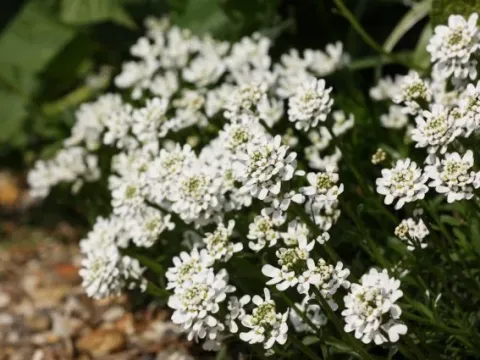
Iberis hybrids
Iberis hybrids
Sowing seeds of Iberis hybrids directly into the soil is typically performed in early spring as soon as the ground warms up to 10-12 degrees Celsius. In temperate climates, April is generally considered the optimal time for establishing a stable crop.
What the section contains
Iberis hybrids
Late autumn sowing is also a viable option, allowing the seeds to undergo natural winter stratification. This method usually results in earlier and more robust spring germination, which can improve the overall uniformity of the flower beds.
For greenhouse seedling production, seeds should be sown in containers during March. Maintaining a consistent temperature between 18 and 20 degrees Celsius is essential for optimal germination rates and seedling vigor.
When transplanting seedlings, great care must be taken to minimize root disturbance. The plant develops a deep taproot system, which is notoriously sensitive to damage during the transplanting process, so maintaining the soil ball is crucial.
A planting density of 15-20 centimeters between plants is recommended. Proper spacing ensures sufficient air circulation, which helps reduce the risk of humidity-related pathogens that commonly affect dense foliage.
Iberis hybrids belong to the Brassicaceae family, often referred to as candytuft in common parlance. These plants are widely valued in horticulture for their compact habit and profuse, fragrant inflorescences that bloom in various shades of white, pink, or purple.
The culture thrives in full sun, which is necessary to maintain a compact shape and encourage high flower production. In shaded environments, the stems tend to become leggy and weak, significantly reducing the visual appeal of the planting.
Soil requirements for Iberis are relatively modest, provided that the growing medium is well-drained. The plants show a strong preference for light, sandy, or stony soils that do not retain excess moisture for long periods.
The optimal pH range for this crop is slightly alkaline to neutral. If the soil is acidic, the addition of lime or wood ash is highly recommended to create the chemical environment best suited for long-term health and growth.
Water management is a key aspect of successful cultivation. While young plants require consistent moisture to establish their root systems, mature plants are remarkably drought-tolerant and should not be overwatered to avoid root rot issues.
Clubroot, caused by soil-borne pathogens, remains a significant threat to Iberis species. This disease disrupts nutrient uptake by distorting the roots, leading to plant collapse; infected plants must be removed and destroyed to prevent spreading.
Powdery mildew is a frequent concern in areas with poor ventilation or high evening humidity. Maintaining adequate space between plants and avoiding overhead irrigation during humid weather are the primary cultural practices used to prevent fungal growth.
Flea beetles are the most damaging pests for this culture, as they feed on the foliage by chewing numerous small holes. Severe infestations can severely stunt plant growth and compromise the aesthetic value of the flowers.
Integrated pest management, including the use of targeted systemic insecticides or horticultural soaps, is necessary to keep pest populations below the threshold. Early detection is vital for preserving the crop’s health throughout the growing season.
Implementing a crop rotation schedule that excludes other Brassicaceae family members is essential for long-term disease and pest control. By avoiding successive planting of closely related species, the risk of pathogen buildup in the soil is significantly reduced.