
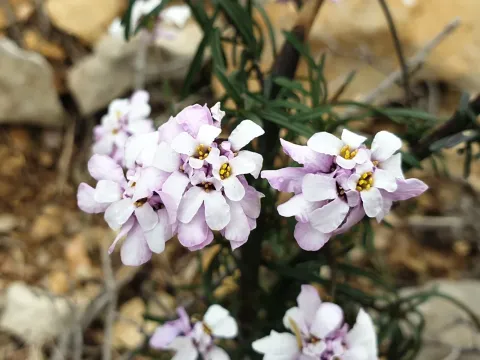
Iberis linifolia
Iberis linifolia
Iberis linifolia is a perennial or annual herbaceous plant belonging to the Brassicaceae family. Its cultivation is primarily focused on its ornamental characteristics in landscape design.
What the section contains
Iberis linifolia
The seeds are typically sown in early spring when the soil temperature remains consistently above 10 degrees Celsius. Direct seeding into prepared flowerbeds is the preferred method.
Seeds should be covered with a very thin layer of soil, not exceeding 1 centimeter. Consistent soil moisture is required for the initial 14 days until germination is complete.
Thinning the seedlings is a critical agronomic step. Maintaining a spacing of 15 to 25 centimeters ensures that each plant receives enough sunlight and air circulation.
For better success rates, the soil should be pre-treated to remove weeds, as this species does not compete well with vigorous invasive grasses during its seedling phase.
This species thrives in well-drained, sandy or loamy soils. It has a notable preference for soils with higher calcium content and neutral to slightly alkaline pH levels.
Sun exposure is the most important environmental factor. The plant requires full sunlight for at least 6-8 hours daily to produce its characteristic abundant flowering.
Climate tolerance is relatively high regarding cold, as the plant can withstand light frosts. However, it is sensitive to extreme humidity and prolonged stagnant heat.
Watering practices should be balanced. While the plant can tolerate short dry spells, supplemental irrigation is necessary during the peak of the growing season.
Fertilization with low-nitrogen, high-phosphorus compounds helps maximize bloom intensity without causing excessive vegetative growth that weakens the structure.
Flea beetles are the primary insect threat. These small pests quickly skeletonize the leaves, necessitating early detection and the use of appropriate contact insecticides.
Powdery mildew represents the most frequent fungal issue, particularly in late summer when temperature fluctuations create humid microclimates within the foliage.
Root rot is almost exclusively caused by overwatering or poor drainage systems. It is vital to ensure that water never pools at the base of the plant stem.
Aphids can cause significant damage to the developing inflorescences. Manual removal or biological control agents are effective for managing minor infestations in garden settings.
Crop rotation is essential for long-term health. Avoiding replanting Iberis in the same soil for three years helps reduce the accumulation of soil-borne pathogens and pests.