
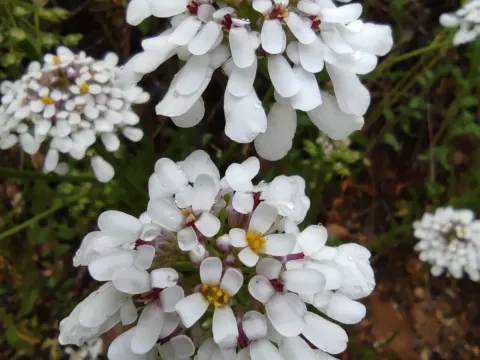
Iberis pectinata
Iberis pectinata
Iberis pectinata is an annual herbaceous plant belonging to the Brassicaceae family. Originating from the Mediterranean region, this species is well-adapted to rocky and sandy soils, forming characteristic dense inflorescences that make it highly desirable for landscaping purposes.
What the section contains
Iberis pectinata
Sowing in open ground typically begins in early spring as soon as the soil reaches a temperature of 10-12 degrees Celsius. The seeds are small and require shallow burial, usually around 0.5 to 1 centimeter deep, for optimal germination rates.
Proper plant density is crucial for the development of individual specimens. After germination, it is recommended to thin the seedlings to maintain a distance of at least 15-20 centimeters between plants to allow for healthy airflow and structural development.
For regions with mild winters, autumn sowing is a viable option. This method utilizes natural stratification, ensuring that the seeds are ready to sprout early in the spring, which results in a more robust root system and earlier flowering cycles.
Selecting high-quality seeds from reliable sources is essential to ensure consistent growth and uniformity in the flower bed. Proper storage conditions, specifically low humidity and cool temperatures, preserve seed viability for several seasons.
Iberis pectinata thrives in sunny environments with full exposure to daylight. While it can tolerate partial shade, maximum sunlight is required to maintain the compact growth habit and intense flowering density characteristic of the species.
Regarding soil preferences, this plant demands excellent drainage. Waterlogged conditions are detrimental to the roots, often leading to rapid decline or fungal infections. Sandy or well-structured loam soils with a neutral pH are ideal for its cultivation.
Irrigation management should be focused on providing moderate moisture during the seedling stage and periods of extreme drought. Once established, the plant is relatively drought-tolerant and performs well without excessive supplemental watering.
Fertilization should be handled with caution, as high levels of nitrogen encourage excessive vegetative growth at the expense of floral display. A balanced, low-concentration fertilizer applied early in the growth stage is generally sufficient for healthy development.
Maintaining clear beds by weeding is vital for the initial weeks of development, as Iberis pectinata can be sensitive to competition from aggressive weeds. Once the plants reach maturity, their dense foliage often helps suppress weed growth naturally.
The primary threats to Iberis pectinata are fungal diseases such as clubroot, which specifically target plants within the Brassicaceae family. Implementing strict crop rotation practices is the most effective way to prevent the accumulation of soil-borne pathogens.
Crucifer flea beetles are among the most persistent pests, capable of causing severe damage to young sprouts within days. Early detection and the application of protective mesh or organic deterrents are common strategies used to mitigate this risk.
Aphids can also become an issue during hot, dry weather conditions, clustering on tender shoot tips. Monitoring the underside of leaves for early signs of infestation allows for targeted management rather than broad-spectrum chemical interventions.
Downy mildew and other humidity-related pathogens may emerge if the planting site lacks proper ventilation. Ensuring adequate spacing between plants is a fundamental preventive measure to keep the foliage dry and healthy throughout the growing season.
In case of severe infestations or disease outbreaks, it is recommended to remove and destroy the affected plants immediately to contain the spread. Maintaining overall plant vigor through balanced irrigation and nutrient management is key to natural resistance.