
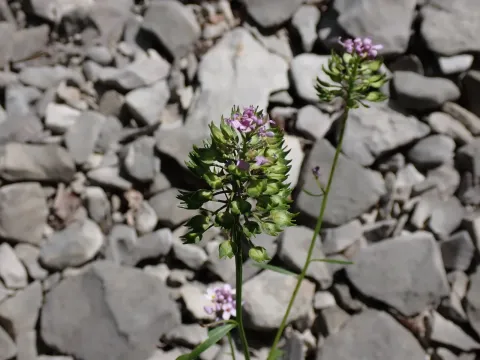
Iberis intermedia
Iberis intermedia
Sowing of Iberis intermedia seeds usually occurs in early spring when the soil temperature begins to rise steadily. Early planting allows the plant to establish a deep root system before the summer heat arrives.
What the section contains
Iberis intermedia
Fall sowing is an alternative method, allowing for natural stratification of seeds during winter. This approach often results in stronger seedlings that bloom earlier in the following season.
When starting seeds indoors, use a well-draining seed-starting mix in late winter. Provide supplemental lighting to prevent leggy growth, as seedlings require high intensity to stay compact.
Spacing is crucial for the health of Iberis intermedia; keeping at least 20–25 cm between plants promotes optimal air circulation. Good airflow is essential to prevent common fungal issues in the foliage.
Seeds should be covered only lightly with soil, as they require light to germinate effectively. Keep the surface moist but not waterlogged until germination is complete.
Iberis intermedia is a member of the Brassicaceae family, characterized by its preference for sunny and well-drained environments. It thrives in locations that receive full sunlight for the majority of the day.
Regarding soil preference, the plant favors sandy or loamy soils that possess excellent drainage qualities. Waterlogged conditions must be avoided to prevent root rot, which is a common hazard for this species.
The plant is relatively drought-tolerant once established, making it suitable for rock gardens or borders. However, regular watering during prolonged dry spells will help maintain its vibrant appearance.
Soil pH should ideally be neutral or slightly alkaline. Incorporating agricultural lime into acidic soils can help optimize the growing medium for this specific plant's needs.
Minimal fertilizing is required, but a balanced slow-release fertilizer applied in early spring can encourage a more prolific floral display. Avoid high-nitrogen fertilizers that lead to excessive vegetative growth.
The most significant pathological threat to Iberis intermedia is Clubroot, a soil-borne disease affecting the roots. Maintaining strict crop rotation with non-brassica plants is the best preventative strategy.
Powdery mildew can occur if the humidity levels remain high for extended periods, especially in crowded plantings. Providing adequate space between plants significantly lowers the risk of infection.
Flea beetles are a common pest that targets the foliage of plants in the Brassicaceae family. Small holes in the leaves are often the first sign of an infestation, requiring immediate intervention.
Aphids might colonize the tender tips and buds, potentially hindering flower production. Utilizing horticultural oils or insecticidal soaps can manage these populations without damaging the plant.
Integrated Pest Management (IPM) practices, such as encouraging beneficial insects and monitoring, are recommended to maintain a healthy garden ecosystem for this species.