
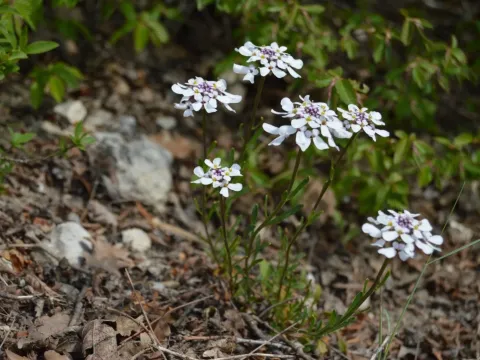
Iberis simplex
Iberis simplex
Sowing Iberis simplex is best accomplished in the early spring once the risk of severe frost has passed. Seeds should be sown directly into well-prepared garden soil, ideally in a location that receives full sun exposure for most of the day.
What the section contains
Iberis simplex
When sowing, cover the seeds with a very thin layer of fine soil or grit, as they require light to stimulate the germination process. Keeping the soil consistently moist until the seedlings emerge is crucial for successful establishment.
For those starting indoors, sowing in trays during late winter is an option. Using a high-quality, free-draining compost mix will prevent the seeds from damping off, which is a common issue with many Brassicaceae species.
Spacing is essential for the healthy growth of this species. Once the seedlings are large enough to handle, thinning them to a distance of 15–20 centimeters ensures proper air circulation and prevents overcrowding of the foliage.
The optimal germination temperature range is between 15°C and 20°C. Maintaining these temperatures helps achieve a higher success rate and promotes vigorous growth during the critical early development stages.
Iberis simplex belongs to the Brassicaceae family and is well-adapted to rocky, alpine-like environments. It thrives in sites with excellent drainage, as the roots are highly sensitive to prolonged saturation or waterlogging.
Soil composition should lean towards light, sandy, or stony textures with an alkaline or neutral pH. Amending heavy soils with grit or coarse sand is often necessary to replicate the plant's natural habitat requirements.
This species is highly drought-tolerant once established, making it an excellent candidate for xeriscaping or rock garden projects. While it can withstand periods of neglect, occasional deep watering during extreme heat will prolong its blooming period.
Light levels are of paramount importance; the plant requires full sun to maintain a compact growth habit. In shaded environments, it tends to become leggy and loses the dense, uniform appearance that characterizes the species.
As a hardy perennial, it requires minimal nutritional inputs. An excess of nitrogen-based fertilizers should be avoided, as this promotes excessive vegetative growth at the expense of floral development and overall structural integrity.
Fungal diseases are the primary threat to the health of Iberis simplex, especially in climates with high humidity. Root rot and powdery mildew are the most prevalent issues, often exacerbated by poor soil drainage.
Crucifer flea beetles are the most frequent insect pests. These small beetles create tiny, characteristic holes in the leaves, which can stunt the growth of young plants and reduce their aesthetic value in landscape settings.
Preventative measures include maintaining clear space around the base of the plant to allow for rapid evaporation of dew and rain. Avoiding overhead irrigation can also significantly reduce the risk of leaf-borne infections.
Weed management is vital, as weeds can harbour pests and restrict airflow around the plant base. Regular cultivation of the top layer of soil helps to disrupt the life cycles of many surface-dwelling pests.
Early detection of infections is key to control. Should symptoms of disease appear, affected plant parts should be removed promptly to halt the spread, followed by the application of appropriate antifungal treatments if necessary.