
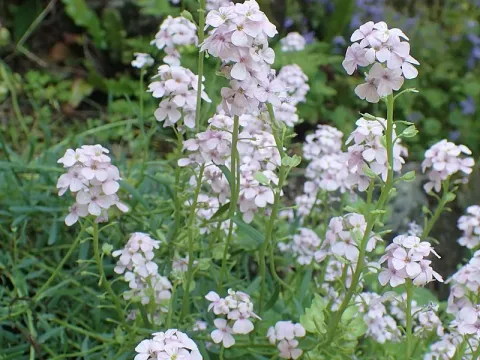
Aethionema iberideum
Aethionema iberideum
Propagation of Aethionema iberideum is typically achieved via seeds sown in early spring. Use a well-draining, sandy compost mix in trays, placing seeds on the surface as they require light for germination.
What the section contains
Aethionema iberideum
Maintain a stable temperature of approximately 18–20 degrees Celsius. Ensure the propagation area is bright and airy to prevent seedlings from becoming leggy or developing fungal issues during the early stages.
Seedlings should be pricked out into individual pots once they develop their first true leaves. Handle the roots with care, as they are sensitive to disturbance and prefer to establish themselves in deep, well-draining containers.
Transplanting to the permanent location should occur when the danger of frost has passed. Space the plants about 20–25 centimeters apart to allow for proper airflow and development of the mound-forming habit.
Cuttings can be taken in late summer after flowering. Use firm, non-flowering shoots, treat with a rooting hormone, and place in a cold frame to encourage root development before the onset of winter.
Aethionema iberideum belongs to the Brassicaceae family and is a native of mountainous limestone regions. Its botanical features, such as leathery leaves and compact growth, make it highly adapted to rocky, arid environments.
This species demands excellent drainage and a soil pH that is neutral to alkaline. It is an ideal candidate for rock gardens, gravel beds, or alpine troughs where moisture management is naturally facilitated.
Full sun is an absolute requirement for successful cultivation. Even partial shade can cause the plant to lose its characteristic compact structure, resulting in floppy stems and a significant reduction in flower production.
Watering should be kept to a minimum once the plant is established. It is highly drought-tolerant, and overwatering is the most common cause of failure in domestic gardens, often leading to rapid root decay.
Maintenance is minimal, consisting mainly of light pruning after flowering to encourage a dense habit and occasional weeding. This plant does not require heavy fertilization, as it is adapted to nutrient-poor soils.
Root rot represents the most significant threat to Aethionema iberideum. This condition is almost always associated with poor soil drainage or excessive irrigation, particularly during humid summer months.
Foliar diseases such as powdery mildew can occur if air circulation is insufficient. Ensuring that the plant is not crowded by other species is crucial for maintaining a healthy and dry leaf environment.
Slugs and snails can be problematic for young plants. Using grit or sharp sand as a mulch around the crown of the plant acts as a deterrent and keeps the foliage away from direct soil moisture.
Aphids might occasionally colonize new growth during the spring season. A simple jet of water or the application of insecticidal soap is usually sufficient to manage minor infestations without harming the plant.
Overall plant vigor is maintained by mimicking its natural habitat. Avoid rich, damp organic matter, as it promotes lush, weak growth that is more susceptible to both pests and fungal pathogens.