
Aethionema schistosum
Aethionema schistosum
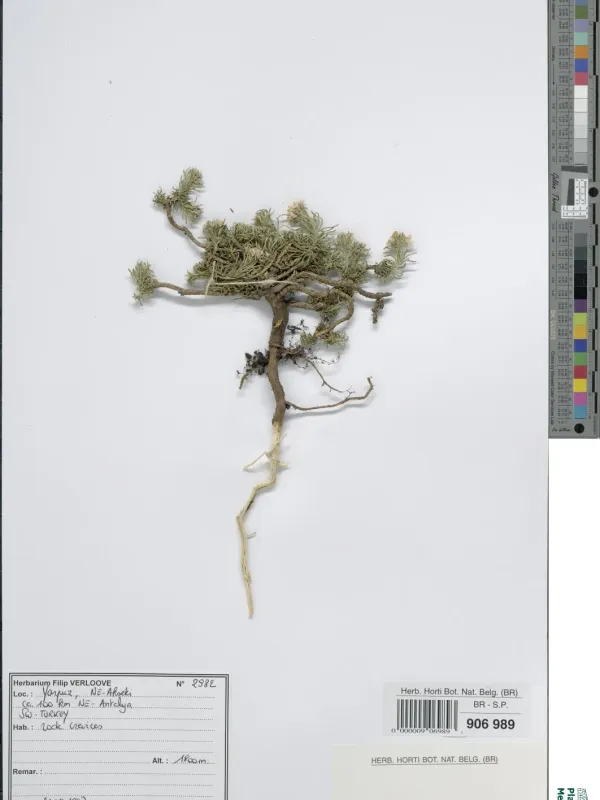
Description
Growing requirements
Aethionema schistosum is a perennial herbaceous plant belonging to the Brassicaceae family. It is a highly specialized species, native to rocky slopes and screes, which dictates its preference for specific environmental conditions and its distinctive appearance as a rock garden specimen.
The plant features compact, mound-forming habits with glaucous, bluish-green foliage. During its blooming period, it produces dense racemes of small, delicate four-petaled flowers, typically ranging from light pink to vibrant mauve, creating a stunning visual effect against stony backdrops.
Cultivation of this species requires a focus on soil structure. It thrives in poor, gritty, and well-drained alkaline soils. Its root system is exceptionally sensitive to moisture retention, making excellent drainage the most critical factor for successful growth in garden settings.
The plant demands a sunny position with full exposure to daylight. It is well-adapted to the high-intensity sunlight found in mountainous regions, which helps maintain its compact growth form and prevents the stems from becoming leggy or etiolated.
In terms of care, this plant is remarkably low-maintenance once established. It requires minimal fertilization and prefers a dry, sparse environment. Over-watering or excessive soil enrichment often leads to a decline in plant vigor and premature death.
Main diseases and pests
The primary threat to Aethionema schistosum is root rot caused by poor soil drainage. During rainy seasons or in areas with high humidity, stagnant water around the root crown is lethal, leading to rapid decay of the plant tissue.
Flea beetles are the most common pests associated with this species, given its taxonomic relation to other members of the Brassicaceae family. They can create unsightly holes in the foliage, potentially weakening the plant if infestations are not managed.
Powdery mildew can occasionally affect the foliage if there is poor air circulation. Ensuring the plant is situated in an open, breezy area helps to mitigate the risk of fungal infections and keeps the foliage healthy.
Preventive care involves avoiding organic mulches near the base of the plant. Using mineral mulches, such as crushed stone or grit, is recommended to keep the foliage and crown dry and away from soil-borne pathogens.
Regular inspection of the plant during the growing season allows for early detection of potential issues. If pests or diseases appear, immediate but careful application of appropriate controls is advised to protect the sensitive root structure.