
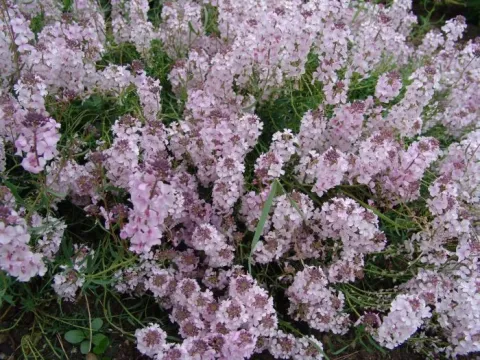
Aethionema coridifolium
Aethionema coridifolium
Sowing seeds of Aethionema coridifolium should be performed in early spring or autumn to allow for natural chilling, which improves germination rates for this alpine species.
What the section contains
Aethionema coridifolium
The seeds require light to germinate, so they should be sown on the surface of a well-draining, gritty soil mix without being buried too deep.
Container-grown starts should be maintained in a cool, well-ventilated environment until they are robust enough to be transplanted to their final location in the rock garden.
When planting out, it is essential to space the plants appropriately to ensure optimal airflow, which prevents the center of the cushion from becoming damp and prone to rot.
Patience is required during the initial growth phase, as this species develops a deep root system that prefers stability and minimal disturbance once established.
Aethionema coridifolium, commonly known as a type of stonecress, belongs to the Brassicaceae family and is native to the rocky, mountainous regions of the Middle East.
The primary requirement for successful cultivation is full sun exposure, which is necessary to maintain the plant's compact, cushion-like growth habit and to promote heavy flowering.
The soil must be alkaline, gritty, and exceptionally well-draining, as the plant is highly intolerant of wet or heavy, water-logged conditions, particularly during the winter months.
Climate considerations are crucial; this species thrives in regions with low humidity and cool winters, making it a perfect candidate for alpine rockeries and troughs.
Mulching the base of the plant with horticultural grit or fine gravel is a recommended practice to keep the crown dry and protect the delicate foliage from soil-borne moisture.
The most significant threat to the health of Aethionema coridifolium is fungal rot, specifically crown rot, which occurs when there is excessive moisture at the base of the plant.
Pests such as flea beetles may target the leaves, especially when the plants are young or stressed, necessitating vigilant inspection and targeted control measures.
Winter wetness is the primary enemy; if the soil does not provide perfect drainage, the roots will quickly succumb to rot during the dormant season.
Over-fertilization can result in weak, leggy growth, making the plant more susceptible to both physical damage and pathogen attacks in humid conditions.
Proactive management includes ensuring a high level of air circulation around the foliage and avoiding overhead irrigation, which helps mitigate the risks of disease.