
Aethionema grandiflorum
Aethionema grandiflorum
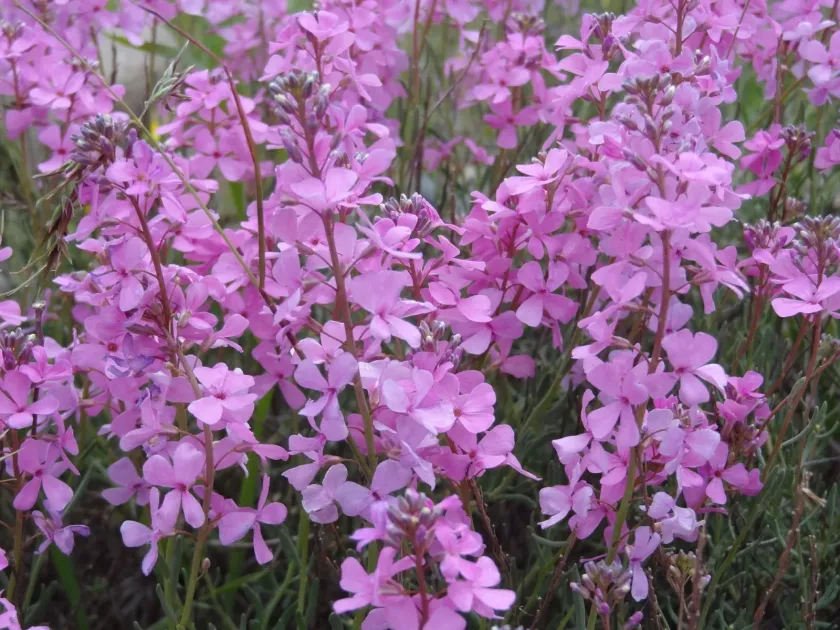
Description
Sowing dates
Aethionema grandiflorum, commonly known as Persian stonecress, is best propagated by seeds sown in early spring. The seeds are very small and require light for germination, so they should be sown on the surface of a gritty, well-draining seed-starting mix and pressed lightly into the soil.
When starting indoors, use small pots or seed trays filled with a mixture of sand and peat. Maintaining a temperature around 15–18°C is optimal for germination, which typically takes between two to three weeks depending on the environmental conditions provided.
Direct sowing in the garden should be done once the threat of heavy frost has passed and the soil has begun to warm up. Choose a sunny, open location with perfect drainage, as the seedlings are sensitive to excess moisture during their early developmental stages.
Thinning out seedlings is necessary to ensure adequate space for growth. A spacing of 25–30 cm between individual plants is ideal for establishing a healthy, vigorous clump that can spread naturally without overcrowding the surrounding soil area.
Transplanting should be handled with extreme care. Because this species develops a deep taproot, it is highly intolerant of root disturbance. It is always best to plant young seedlings out while they are still in their original biodegradable starter pots.
Growing requirements
Belonging to the Brassicaceae family, Aethionema grandiflorum is a hardy perennial shrublet native to the mountainous regions of the Caucasus and Turkey. It is perfectly adapted to life in high-altitude environments characterized by thin, rocky soils.
Full sun is a non-negotiable requirement for this plant. To thrive, it needs at least 6 to 8 hours of direct sunlight every day. In partial shade, the plant becomes leggy, loses its dense habit, and will likely produce significantly fewer flowers.
The soil must be alkaline or neutral and exceptionally well-draining. Incorporating gravel, grit, or coarse sand into the planting site is highly recommended. This plant is a perfect candidate for rock gardens, stone walls, or gravel beds where excess water can drain away quickly.
Watering should be deep but infrequent. The plant is drought-tolerant once established. Overwatering, especially during the summer, is the primary cause of failure in cultivation, as it leads to root rot and collar decay in the tight, succulent-like leaf structures.
As a mountain native, it is naturally resistant to cold winters. However, it requires protection from excessive winter moisture. In climates with wet winters, providing a cover or ensuring the crown of the plant is surrounded by dry grit can prevent winter kill.
Main diseases and pests
Root rot is the most common health issue for Aethionema grandiflorum, usually caused by heavy, waterlogged soils or standing water around the base of the plant. Ensuring a sharp drainage system is the most effective preventative measure against this threat.
Powdery mildew can affect the foliage during periods of high humidity and stagnant air. Promoting air circulation by avoiding dense planting and keeping the area free of debris helps to maintain healthy, dry foliage throughout the growing season.
Flea beetles are a common nuisance for all members of the Brassicaceae family. These small insects chew small, circular holes in the leaves, which can weaken the plant. Regular monitoring of the foliage is essential to detect early infestations.
If flea beetle pressure becomes high, organic insecticidal soaps or neem oil applications can be used. These treatments are generally effective and safe when applied in the early morning or evening to avoid harming beneficial pollinating insects.
Slugs and snails may feed on the tender growth of the plants, particularly during damp spring weather. A mulch of sharp grit or coarse crushed stone around the plant base acts as a natural deterrent, making it difficult for these pests to reach the plant tissues.