
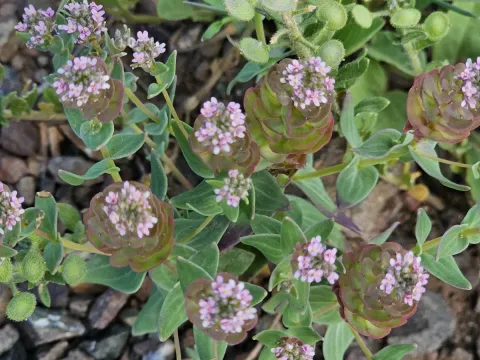
Aethionema arabicum
Aethionema arabicum
The sowing process for Aethionema arabicum typically begins in early spring, once the soil temperature is consistently above 10°C. Careful preparation of the seedbed is essential due to the small size of the seeds.
What the section contains
Aethionema arabicum
Seeds should be sown at a shallow depth of approximately 0.5 cm. Covering them with a thin layer of fine soil or vermiculite helps maintain the necessary moisture levels for germination.
For commercial production, precision sowing equipment is recommended to ensure uniform spacing, which simplifies future maintenance tasks such as weeding and thinning.
In regions with cooler spring climates, greenhouse propagation is a viable strategy to ensure strong, healthy seedlings before transitioning them to open fields.
Success in sowing largely depends on seed quality and ensuring that the soil structure is friable enough to prevent crusting after irrigation or rainfall.
Aethionema arabicum belongs to the Brassicaceae family and is naturally adapted to rugged, rocky terrains, which dictates its preference for well-drained, sandy, or stony substrates.
The plant requires full sun exposure to flourish. It thrives in open areas where it can receive maximum solar radiation throughout the day, which is vital for its energy production.
Regarding soil acidity, this species prefers neutral to slightly alkaline pH levels. Adding agricultural lime to acidic soils can significantly improve performance and overall health.
Water requirements are relatively low compared to high-demand agricultural crops, as the plant is highly drought-tolerant and sensitive to waterlogging, which often leads to root death.
It is best to maintain a lean soil fertility profile; high nitrogen fertilizers should be avoided as they often result in weak, succulent growth that is prone to lodging.
Cruciferous flea beetles represent the most significant threat to young plants, often causing substantial damage by chewing holes in leaves and causing stunted growth.
Powdery mildew is a common fungal threat that appears during periods of high humidity and poor air circulation, necessitating improved plant spacing and fungicide applications.
Root rot caused by Phytophthora or Pythium species is usually an indicator of poor soil drainage or excessive irrigation practices that need to be addressed immediately.
Aphids can occasionally infest the flower stalks during the peak growing season, leading to deformation and reduced seed quality if not managed through targeted interventions.
Integrated pest management strategies are advised, focusing on preventative measures and biological controls to maintain the ecological balance of the cultivation field.