
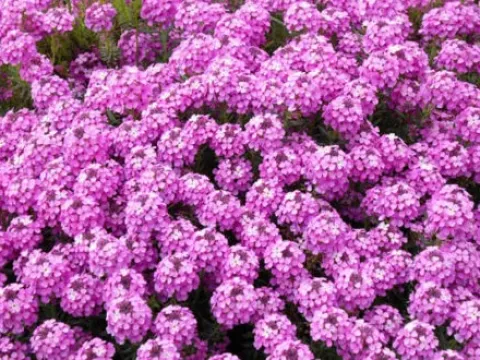
Aethionema gileadense
Aethionema gileadense
Aethionema gileadense is a botanical species belonging to the Brassicaceae family. It is typically characterized as a dwarf perennial herb or subshrub native to the rugged mountainous terrains.
What the section contains
Aethionema gileadense
The plant originates from the Levant region, specifically flourishing in rocky crevices and calcareous substrates. Its adaptation to harsh environmental conditions makes it highly specialized.
Cultivation requires full sun exposure to maintain the plant's compact growth habit and promote healthy flowering. Insufficient light leads to etiolation and structural weakness.
Well-draining soil is the most critical requirement for this species. It thrives in gritty, mineral-rich soils that mimic the natural scree environment of its origin.
Watering should be strictly controlled, as the species is highly susceptible to root rot if kept in moist or poorly drained conditions. Dryness is generally preferred over excess moisture.
The most significant threat to Aethionema gileadense is root system decay caused by fungal pathogens. This typically occurs due to poor soil drainage or excessive irrigation.
Crucifer-feeding pests, such as flea beetles, represent a potential threat to the foliage. These insects can quickly defoliate young plants during the spring growth phase.
Aphid infestations are a common issue that can stunt growth and transmit viral diseases. Monitoring the tender parts of the stems and flower buds is essential.
Disease prevention relies primarily on environmental management rather than chemical intervention. Proper spacing ensures airflow, which reduces the risk of fungal infections.
Environmental stress, particularly sudden changes in soil moisture during dormancy, can significantly weaken the plant's immune system, making it vulnerable to secondary infections.