
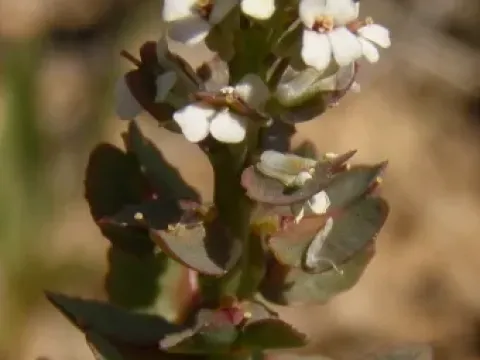
Aethionema carneum
Aethionema carneum
Sowing Aethionema carneum seeds is best performed in early spring once the soil temperature consistently reaches 10–12 degrees Celsius. For greenhouse production, starting seeds in containers during late winter with a period of cold stratification improves germination rates significantly.
What the section contains
Aethionema carneum
When direct sowing in the ground, choose well-draining, sunny locations. The seeds should be covered with a very light layer of soil, no more than 0.5–1 centimeter deep, and kept consistently moist until the first true leaves emerge.
A spacing of 20 to 30 centimeters between individual plants is recommended to promote air circulation. This spacing is vital for the health of the plant, as it prevents the buildup of humidity that can lead to crown rot.
During the germination phase, covering the soil surface with a fine grit or horticultural sand can help maintain stable moisture levels without causing waterlogging around the emerging seedlings.
For autumn sowing, it is essential to ensure that seedlings develop a strong root system before the onset of the first frost. In colder climates, covering young plants with a light protective mulch is a recommended practice to ensure survival.
Aethionema carneum is a member of the Brassicaceae family, originating from the rocky, arid landscapes of the Caucasus and parts of Asia Minor. This biological background dictates its preference for mineral-rich, lean soil.
The plant demands full sun exposure to maintain its compact, cushion-like growth habit. In environments with insufficient light, the stems become elongated and weak, often losing the decorative appeal for which the species is cultivated.
Soil requirements focus on excellent drainage and neutral to slightly alkaline pH levels. Adding coarse sand, crushed gravel, or grit to the planting hole is essential to prevent water from lingering around the taproot.
Regarding water management, this species is highly drought-tolerant once established. Supplemental watering should be restricted to periods of extreme drought, and even then, it must be applied sparingly at the base to keep the foliage dry.
The plant is relatively hardy but sensitive to winter wetness. Providing a simple cover to shield the crown from excessive rain and melting snow during the winter months is crucial for its long-term viability in garden settings.
Root rot is the primary physiological threat to Aethionema carneum, typically resulting from poor soil drainage or excessive irrigation. Improving the permeability of the substrate is the most effective long-term preventative measure.
Flea beetles are the most frequent insect pests, often causing aesthetic damage to the leaves during the early spring growth flush. Applying organic insecticidal soaps or wood ash can help control their population effectively.
Powdery mildew may occur if the plants are situated in areas with poor airflow or during unusually humid summers. Improving space between plants and maintaining dry foliage are key cultural controls against this fungal issue.
Gastropods, such as slugs and snails, can graze on the soft growth of the plant. Creating a perimeter of sharp grit or crushed shells around the plant acts as a deterrent, keeping these pests away from the foliage.
To prevent the buildup of soil-borne diseases, it is advisable to avoid planting in areas previously occupied by other Brassicaceae species. Rotating planting beds ensures the soil remains healthy and free from host-specific pathogens.