
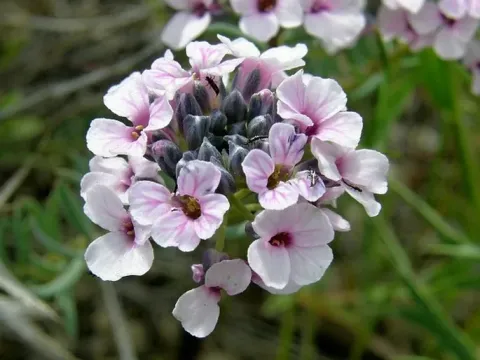
Aethionema polygaloides
Aethionema polygaloides
Aethionema polygaloides is typically propagated via seeds during the spring season. Sowing should take place once the soil has warmed sufficiently, as this encourages rapid germination and ensures stronger seedling development.
What the section contains
Aethionema polygaloides
For best results, use a well-draining, gritty seed-starting mix. The seeds should be sown thinly and covered with a very light layer of sand or grit, as they require a certain level of light exposure to trigger the germination process effectively.
Stratification is often beneficial for this species, especially if seeds are stored for a long time. Keeping seeds in a cool environment for a few weeks before sowing can significantly improve the success rate of the nursery process.
Once the seedlings are large enough to handle, they can be transplanted into small pots or directly into a rock garden site. Proper spacing is crucial to prevent the overcrowding of young plants, which can lead to moisture retention issues.
Regular monitoring of moisture levels during the early growth stage is important. While the plant is drought-tolerant once established, young seedlings require consistent but light watering to prevent dehydration until their root systems are fully formed.
Aethionema polygaloides belongs to the Brassicaceae family and is native to mountainous, rocky regions. As such, it thrives in environments that mimic its natural habitat, requiring highly permeable and nutrient-poor alkaline soils.
Excellent drainage is the single most important factor for the health of this culture. Planting in heavy clay or waterlogged areas will cause rapid root rot, as the plant is highly sensitive to excessive moisture during dormant months.
This plant is an absolute sun-lover. It should be positioned in full sun to ensure a compact growth habit and a profusion of flowers. Any degree of shade will result in spindly growth and a significant reduction in blooming potential.
The plant is adapted to rocky, limestone-rich soils. While it can handle some neglect, ensuring the soil pH is neutral or slightly alkaline is beneficial. Fertilization should be kept to a minimum to avoid promoting excessive foliage growth.
Cold hardiness is a notable feature of this species. It can withstand significant temperature drops, provided the crown of the plant stays dry during winter. In regions with harsh, wet winters, some protection might be necessary to keep it healthy.
The primary threat to the stability of Aethionema polygaloides is fungal infection, specifically root rot, which is almost always the result of improper drainage or over-watering. Signs include yellowing of foliage and sudden wilting.
Cruciferous pests, such as flea beetles, can be problematic during the active growing season. They create small holes in the leaves, which can weaken the plant's overall vigor. Preventive measures include regular inspection and early application of pest control.
Slugs and snails may attack tender growth, particularly in spring or after heavy rainfall. Using physical barriers like sharp grit or volcanic rock around the plants can effectively deter these pests from reaching the delicate foliage.
Overcrowded plantings are susceptible to mildew. Ensuring that there is good airflow around each individual plant by avoiding dense clusters is a standard and effective preventive agricultural practice for this species.
Maintenance, such as removing spent flowers and clearing debris from the base of the plant, reduces the availability of organic matter where pests and fungal pathogens might otherwise thrive during the wetter months.