
Aethionema heterocarpum
Aethionema heterocarpum
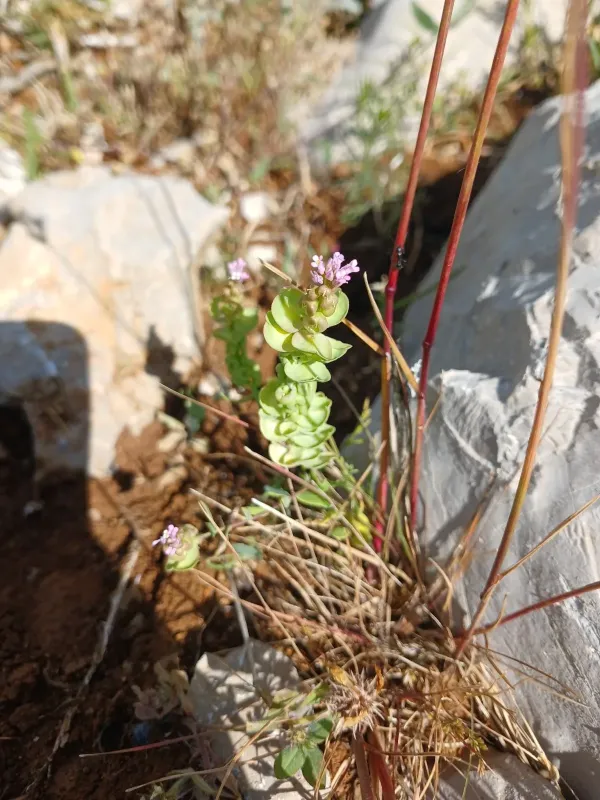
Description
Sowing dates
Aethionema heterocarpum is a distinct herbaceous perennial belonging to the Brassicaceae family. Propagation is primarily carried out via seeds, which require specific conditions to break dormancy and ensure vigorous growth.
The optimal sowing season is early spring in a climate-controlled greenhouse. Using a well-draining, gritty compost is essential to mimic the plant's natural rocky habitat and prevent early-stage damping-off.
Seeds should be surface-sown and barely covered with fine grit or vermiculite, as they rely on light for successful germination. Keeping the seed trays in a cool environment promotes uniform sprouting.
Once seedlings develop true leaves, they should be transplanted into individual pots. Handling the root system requires caution, as the plant does not adapt well to severe root disturbance during the early vegetative phase.
Acclimatization to open-air conditions must be gradual, ensuring the young plants are hardened off before being placed in their permanent site in the garden or field.
Growing requirements
The primary requirement for successful cultivation is exceptional drainage. Aethionema heterocarpum thrives in sandy, alkaline, or neutral soils where water does not accumulate around the crown.
Full sun exposure is mandatory. Any degree of shade will cause the plant to become etiolated and significantly reduce its floral production, leading to a loss of its characteristic compact growth habit.
The plant is drought-tolerant once established and does not require frequent irrigation. Overwatering during summer is a leading cause of plant mortality and should be strictly avoided.
The climate should ideally be cool and temperate. While the plant can handle some temperature fluctuations, extremely high humidity combined with high heat can be detrimental to its physiology.
Minimal fertilizing is recommended. An excess of nitrogen will result in soft, succulent growth that is more prone to winter damage and pest infestations rather than the sturdy structure preferred for this species.
Main diseases and pests
Root rot and crown rot are the most significant threats, typically occurring when the soil remains too wet or poorly aerated. Proper drainage is the primary defense against these fungal pathogens.
Crucifer flea beetles are common pests that attack the foliage of Brassicaceae. Regular monitoring and the application of appropriate control measures are necessary to maintain plant health during the spring.
Aphid populations can build up in the floral parts during dry weather. While not always fatal, severe infestations can stunt growth and transmit viral diseases to the host plant.
Slugs and snails can pose a danger to young or weakened plants, especially in rock gardens where moist microclimates may form. Using physical barriers such as crushed stone can reduce damage.
- Proper air circulation is crucial to prevent powdery mildew and other foliar diseases during humid periods.