

Reference · Crops
Zinnia
Zinnia L.
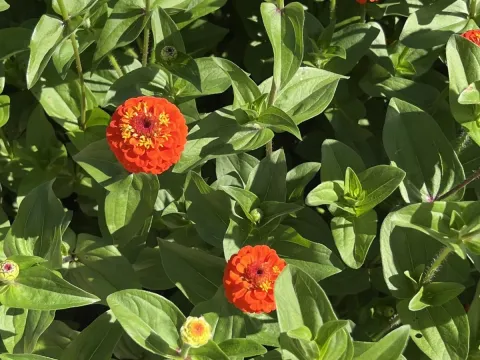
Zinnia (Zinnia L.) belongs to the Asteraceae family, native to the scrub and dry grassland areas of the Americas. It is a warm-season annual that thrives in full sun and high temperatures.
8
items
What the section contains
 Desert zinnia
Zinnia acerosa (DC.) A. Gray
Desert zinnia
Zinnia acerosa (DC.) A. Gray
 Narrowleaf zinnia
Zinnia angustifolia Kunth
Narrowleaf zinnia
Zinnia angustifolia Kunth
 Zinnia angustifolia
 Kunth x Zinnia haageana x Zinnia elegans Jacq
Zinnia angustifolia
Zinnia angustifolia Kunth x Zinnia haageana x Zinnia elegans Jacq
 Zinnia elegans
 Jacq.
Zinnia elegans
Zinnia elegans Jacq.
 Zinnia grandiflora
 Nutt.
Zinnia grandiflora
Zinnia grandiflora Nutt.
 Zinnia haageana
 Regel
Zinnia haageana
Zinnia haageana Regel
 Zinnia marylandica
Zinnia x marylandica D. M. Spooner et al.
Zinnia marylandica
Zinnia x marylandica D. M. Spooner et al.
 Zinnia peruviana
 (L.) L.
Zinnia peruviana
Zinnia peruviana (L.) L.
Marketplace
Products in this section · 12


Zinnia
Seeds can be sown directly into the garden after the danger of frost has passed and the soil has warmed. Alternatively, starting seeds indoors 4–6 weeks before the last frost date ensures an earlier bloom.
The seeds should be covered lightly with about 1/4 inch of soil. Maintaining a temperature range of 70–75°F (21–24°C) is ideal for successful germination, which usually occurs within a week.
Once seedlings have developed their first set of true leaves, they should be thinned or transplanted into individual pots. This process minimizes root disturbance and promotes a stronger start.
Hardening off is a vital step before moving plants outdoors. Gradually exposing the zinnia to outdoor conditions over a week helps them adapt to wind, varying temperatures, and direct sunlight.
Zinnias demand full sun to perform optimally. A minimum of 6 to 8 hours of direct sunlight per day is required for the plant to produce its signature vibrant, long-lasting blooms.
The soil should be fertile, well-draining, and rich in organic matter. While zinnias are relatively tolerant of different soil types, they absolutely require good drainage to prevent root rot.
Watering should focus on the base of the plant rather than the foliage. Keeping the leaves dry is the most effective way to prevent fungal pathogens from taking hold in humid conditions.
Regular maintenance includes deadheading faded flowers. This practice prevents the plant from entering the seed-production phase and encourages continuous blooming until the first frost of autumn.
Fertilization with a balanced, slow-release fertilizer at planting time is usually sufficient. Over-fertilization, especially with nitrogen, tends to result in excessive foliage rather than more flowers.
Powdery mildew is the most common challenge for zinnias, especially in climates with high humidity or poor air circulation. Selecting disease-resistant cultivars is a proactive approach.
Bacterial wilt and various leaf spots can occur when plants are crowded or improperly watered. Ensuring sufficient spacing between plants allows for better airflow and reduces disease risk.
Aphids and spider mites are typical pests that feed on zinnia sap. Monitoring the underside of leaves and using insecticidal soaps can manage these infestations effectively without harsh chemicals.
Japanese beetles can cause significant damage to the flower heads. Manual removal or the use of protective netting can be necessary in areas where these pests are highly active during mid-summer.
Implementing a crop rotation schedule ensures that zinnias are not planted in the same soil area more than once every three years, effectively breaking the lifecycle of soil-borne diseases.
Zinnias are excellent cut flowers, highly valued for their vase life, which can extend up to 10–14 days if handled correctly. They are staples in professional floral design and summer bouquets.
The harvest should occur when the flower heads are fully open and firm. A quick test for maturity is to gently shake the stem; if the neck of the flower is stiff, it is ready for cutting.
Cutting stems back to a lower leaf node encourages the plant to branch out, resulting in a fuller bush and the production of a higher volume of blooms throughout the harvest window.
- Harvest during the cooler parts of the day, preferably early morning.
- Place cut stems immediately into clean water with a floral preservative.
- Strip the bottom leaves from the stems to prevent decay in the vase water.
For seed saving, leave the most vigorous flowers on the plant until they turn brown and dry out naturally. After harvest, store the dried seeds in a cool, dark, and dry environment.