
Zexmenia
Zexmenia
Zexmenia is a genus of flowering plants belonging to the Asteraceae family. Though botanical taxonomy currently classifies many former Zexmenia species under the genus Wedelia or Lasianthaea, the term remains commonly used to describe these perennial shrubs or herbs.
What the section contains

Zexmenia
The native range of this plant includes tropical and subtropical regions of the Americas, with a high concentration of species found in Mexico and Central America. These plants primarily thrive in open woodlands, mountain slopes, and disturbed areas where sunlight is abundant.
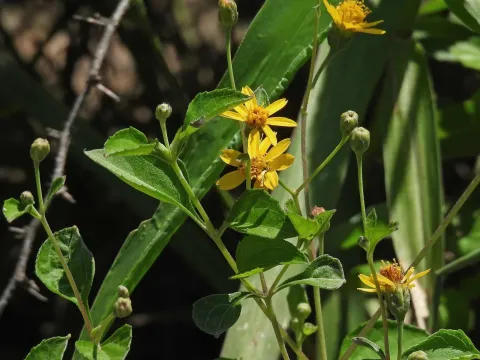
The botanical structure of Zexmenia features characteristic daisy-like flower heads with bright yellow or orange ray florets. The leaves are typically arranged in an opposite or alternate pattern and often possess a rough texture, which is an adaptation to sunlight exposure.
Cultivation requires well-draining soil to prevent root rot, which is the most common failure point for gardeners. They perform best in soils that are rich in organic matter but have a sandy or loamy texture to facilitate efficient drainage of irrigation water.
Regarding climate, Zexmenia is not cold-hardy. It requires a long, warm growing season to reach its full flowering potential. In temperate zones, it is typically managed as a seasonal annual or kept in pots that can be moved indoors before the first frost of autumn.
The primary threats to Zexmenia health involve fungal infections caused by overwatering or high humidity levels. Powdery mildew can appear on the foliage during cool, humid periods, leading to stunted growth and reduced ornamental value.
Pest pressures are most frequently attributed to sap-sucking insects such as aphids and spider mites. These pests thrive in dry environments and can quickly colonize the undersides of the leaves if not monitored regularly.
Management of these pests requires a combination of cultural practices, such as maintaining optimal plant spacing, and the application of horticultural oils or insecticidal soaps if an infestation occurs.
To avoid fungal issues, it is essential to focus irrigation at the base of the plant rather than overhead watering. Keeping the foliage dry significantly reduces the spores' ability to germinate and spread across the plantation.
Regular monitoring is the most effective strategy to maintain the health of the culture. Early detection of leaf discoloration or webbing allows for rapid intervention, protecting the overall yield of the plant's bloom cycle.