
Zinnia peruviana
Zinnia peruviana (L.) L.
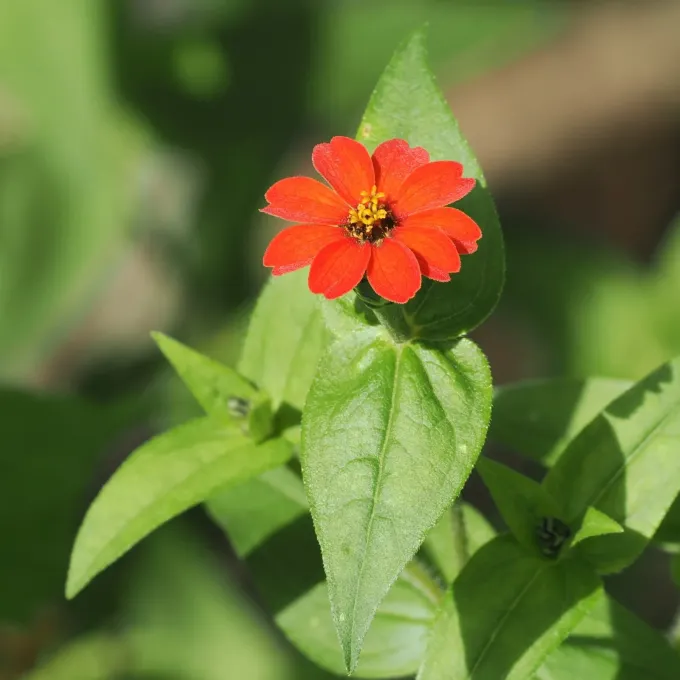
Description
Sowing dates
Zinnia peruviana is a hardy annual member of the Asteraceae family, well-known for its adaptability and distinct floral characteristics compared to common garden zinnias.
Seeds should be started indoors about 4 to 6 weeks before the last expected frost date, using light potting mix to ensure optimal germination rates and root development.
Transplanting into the garden must be done carefully, as the root systems of Zinnia species are sensitive to disturbance and prefer a gradual transition to outdoor conditions.
Direct sowing in the garden is possible once the soil temperature is consistently above 18 degrees Celsius, as this species requires warmth for initial germination and growth.
Spacing is essential for this variety to ensure proper airflow; plants should be set approximately 25 to 30 centimeters apart to prevent overcrowding and moisture buildup.
Growing requirements
This species thrives in full sun, requiring at least six to eight hours of direct sunlight per day to achieve its full potential and vibrant coloration during blooming.
Well-drained soil is a non-negotiable requirement for Zinnia peruviana; it does not tolerate heavy, waterlogged clay soils which can lead to rapid root decay.
While the plant exhibits moderate drought tolerance once established, consistent soil moisture during the early vegetative stage is crucial for developing a strong root system.
Soil pH should ideally be neutral or slightly acidic; nutrient levels should be kept in a moderate range to avoid excessive foliage growth at the expense of floral production.
Climate adaptability is one of its strengths, provided there is adequate heat throughout the growing season, as it performs poorly in consistently cool or humid environments.
Main diseases and pests
Powdery mildew is the most common fungal issue for this species, characterized by white spots on leaves, which is often triggered by high humidity and poor circulation.
Alternaria leaf spot can also affect the foliage, especially when environmental conditions include prolonged periods of damp weather or heavy dew in the mornings.
Aphids and spider mites are frequent insect pests that colonize the underside of leaves, causing yellowing, curling, and overall reduction in plant vitality and vigor.
In certain regions, caterpillars can cause significant damage to flowers and tender stems, necessitating regular monitoring and appropriate integrated pest management strategies.
- Use of organic insecticidal soaps for pest control
- Applying copper-based fungicides for mildew prevention
- Ensuring adequate spacing for maximum air movement
- Avoiding overhead irrigation to keep foliage dry