
Zinnia angustifolia
Zinnia angustifolia Kunth x Zinnia haageana x Zinnia elegans Jacq
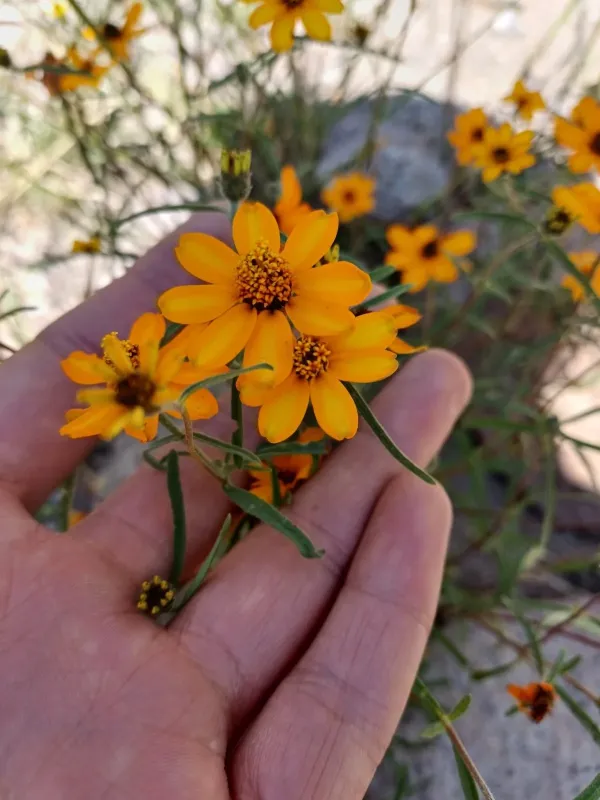
Description
Sowing dates
Zinnia angustifolia seeds are typically sown indoors in March or April to ensure strong plants that start blooming early in the summer. For northern climates, this method is highly recommended to provide a longer growing season before the autumn cold arrives.
In regions with milder climates, direct sowing into the open garden is possible in May, once the risk of night frost has completely passed. The optimal temperature for successful seed germination is between 20 and 25 degrees Celsius.
When sowing directly in the garden, it is crucial to space the plants at least 20–30 centimeters apart. This spacing is vital for adequate airflow around the foliage, which helps to prevent various fungal infections.
The seeds should be planted at a shallow depth of approximately 0.5–1 centimeter in a well-prepared growing medium. After covering them with soil, gentle misting ensures proper contact between the seed and the soil particles.
To accelerate germination, covering the trays with clear plastic or glass creates a localized humid environment. As soon as the seedlings emerge, the covering must be removed to prevent the young plants from becoming weak and spindly.
Growing requirements
Zinnia angustifolia is a heat-loving and sun-loving member of the Asteraceae family, originating from Mexico and Central America. These plants thrive in locations that receive full sun for most of the day and offer protection from harsh winds.
The ideal soil for this species is loose, well-drained, and nutrient-rich with a neutral pH balance. Excessive soil moisture can cause root issues, so on heavier soils, incorporating organic matter or drainage material is essential.
During the active growing phase, the plants require regular but moderate watering at the base. It is best to avoid overhead watering to keep the flowers and leaves dry, which significantly reduces the incidence of common leaf diseases.
This variety is known for its impressive tolerance to occasional dry spells, making it a reliable choice for xeriscaping or hot, sunny borders. However, consistent moisture results in the most abundant and long-lasting flower displays.
For optimal plant health and blooming potential, applying a balanced mineral fertilizer two or three times throughout the season is beneficial. Using fertilizers with a lower nitrogen content prevents excessive foliage growth at the expense of flowers.
Main diseases and pests
Powdery mildew is the most common threat to Zinnia angustifolia, appearing as a white, dusty layer on the leaves. Proper spacing and ensuring good ventilation between plants are the best preventive measures to manage this issue.
In particularly wet summers, plants may be susceptible to alternaria blight and various forms of rot, which thrive in high humidity. Any infected plant tissue should be promptly removed and disposed of to prevent the spread of spores.
Common insect pests include aphids and spider mites, which feed on plant sap and can weaken the overall health of the flowers. Controlling these pests often requires the application of appropriate insecticides or miticides.
Slugs and snails can cause significant damage to young seedlings by eating the tender foliage. Gardeners often use physical barriers or organic baits to protect the young plants until they become more established.
Maintaining a healthy garden environment involves rotating crops and avoiding planting zinnias in the same spot for at least three to four years. Keeping the area free of weeds also helps minimize the risk of virus transmission by insects.