
Zinnia haageana
Zinnia haageana Regel
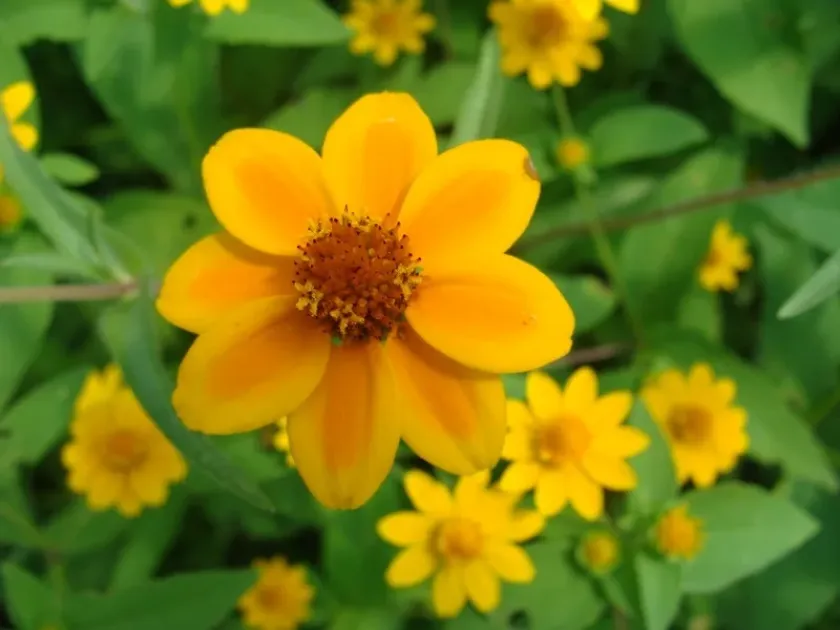
Description
Sowing dates
Zinnia haageana is best sown in open ground only after all risks of frost have passed. In most temperate regions, the optimal window for direct sowing is late spring or early summer, when the soil temperature has reached a stable 15–18 degrees Celsius.
For earlier blooms, indoor sowing in seed trays is highly recommended. Seeds should be sown approximately 4 to 6 weeks before the planned outdoor planting date. Keeping the trays in a warm spot with plenty of light is essential for robust seedling development.
The seeds should be covered with about 0.5 to 1 centimeter of sterile potting mix. Proper moisture levels must be maintained; however, it is critical not to saturate the soil, as this can cause the seeds to rot before they manage to germinate.
Once the first pair of true leaves appears, seedlings should be thinned or transplanted into individual containers. This process helps encourage a strong root system, which is vital for the plant's survival and vigor once it is moved into the garden beds.
Hardening off is a mandatory procedure for greenhouse-grown seedlings. Gradually exposing the plants to outdoor temperatures and direct sunlight over a week helps them adapt to the environment, preventing transplant shock and ensuring successful establishment.
Growing requirements
As a member of the Asteraceae family, Zinnia haageana thrives in locations with full, direct sunlight. Insufficient light levels will inevitably lead to leggy, weak plants with a significantly reduced flower production and inferior aesthetic value.
This species requires well-draining, fertile soil with a neutral to slightly alkaline pH. While the plant can tolerate various soil types, it performs best in loose, sandy loam. Avoiding soil compaction is key to preventing water stagnation and root health issues.
Regular watering is essential, especially during dry spells; however, the water should be applied directly to the base of the plant. Wetting the foliage frequently is discouraged, as it significantly increases the risk of foliar fungal diseases.
Native to Mexico, this heat-loving annual requires stable warm conditions to perform at its peak. It is highly sensitive to cold, and even minor temperature drops during the growing season can stunt growth and hinder the development of its colorful flowers.
Applying a balanced, low-nitrogen fertilizer during the peak blooming season helps maintain the vibrant color of the flowers. Excessive nitrogen can lead to lush vegetative growth but may result in fewer blooms, so moderation in fertilizing is always recommended.
Main diseases and pests
Aphids and spider mites are the most common pests affecting Zinnia haageana, particularly in hot and dry weather. These insects feed on the plant's sap, which can lead to distorted leaf growth and the weakening of the entire specimen if left untreated.
Powdery mildew is a prevalent fungal disease characterized by a white, powdery coating on the leaves. It usually occurs in areas with poor air circulation or high humidity; therefore, proper spacing between plants is a crucial preventive measure.
Slugs and snails can cause substantial damage to young plants, often devouring seedlings overnight. Implementing physical barriers, such as copper tape or gravel, or using appropriate bait can help protect the plants during their most vulnerable stage.
Root rot is often the result of waterlogged soil conditions. Ensuring that the site has excellent drainage and avoiding over-irrigation are the most effective ways to prevent this deadly condition from damaging the plant's vascular system.
Viral infections can sometimes occur, often transmitted by insect vectors like aphids. Since there is no cure for these viruses, removing and destroying the infected plants is the standard practice to keep the rest of the garden bed healthy and disease-free.