
Zinnia grandiflora
Zinnia grandiflora Nutt.
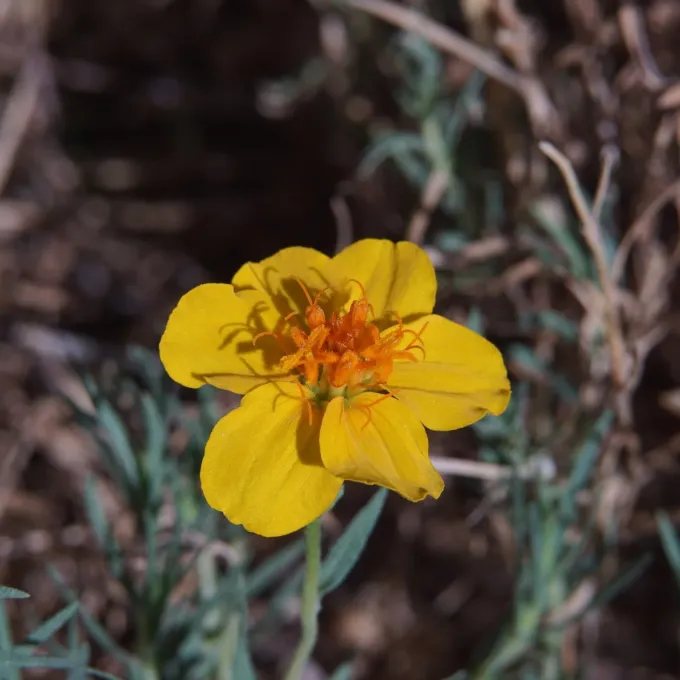
Description
Sowing dates
Zinnia grandiflora, commonly known as the plains zinnia, is a hardy perennial member of the Asteraceae family. It is best sown in the spring once the threat of frost has passed and the soil has sufficiently warmed.
Seeds should be planted at a shallow depth of about 1 to 2 centimeters. Maintaining adequate spacing between plants is crucial for ensuring proper air circulation, which helps prevent the development of fungal diseases.
In regions with shorter growing seasons, starting seeds indoors in biodegradable pots is a viable strategy. This approach minimizes root disturbance, as the plant possesses a sensitive root system that does not tolerate transplanting well.
When sowing directly into the garden, ensure the site receives full sun for the entire day. Germination typically occurs within one to two weeks, depending on soil temperature and moisture levels.
Once seedlings emerge, thinning is necessary to achieve the desired spacing. A distance of approximately 20-30 centimeters between plants allows for optimal development of the branching habit and flower production.
Growing requirements
Native to the arid regions of North America, this species thrives in heat and drought. It requires a location with full, direct sunlight to achieve its potential, as even partial shade will reduce blooming.
The plant is highly adaptable to various soil types but performs best in well-draining, sandy, or rocky soils. It is particularly well-suited for xeriscaping due to its low water requirements.
Watering should be deep but infrequent. Overwatering is the most common cause of failure, leading to root rot and other moisture-related issues. Always irrigate at the base of the plant to keep the foliage dry.
Fertilization should be kept to a minimum. Zinnia grandiflora is naturally adapted to nutrient-poor soils; excessive nitrogen leads to lush, weak growth and fewer, smaller flowers, making the plant more susceptible to stress.
The plant is known for its extreme resilience. Once established, it can withstand prolonged dry spells, making it an excellent choice for low-maintenance garden designs in arid or semi-arid climates.
Main diseases and pests
Powdery mildew is the most frequent fungal issue, particularly in humid or stagnant air conditions. It appears as a white dusting on the leaves and can significantly impact the plant's aesthetic appeal if not managed.
Pests such as aphids and spider mites may occasionally infest the plants, especially during hot and dry spells. These insects damage the plant by sucking sap from the stems and developing flower buds.
Proactive management includes ensuring good spacing and adequate sunlight to keep the foliage dry. If infestations occur, targeted application of neem oil or insecticidal soap is usually effective.
Sanitation is key to pest and disease control. Removing spent flowers and any debris around the base of the plant helps prevent the buildup of pathogens and provides fewer hiding spots for harmful insects.
Early detection is the best defense against threats. Regularly monitoring the underside of the leaves for signs of pests or spotting allows for immediate intervention before the plant's health is severely compromised.