
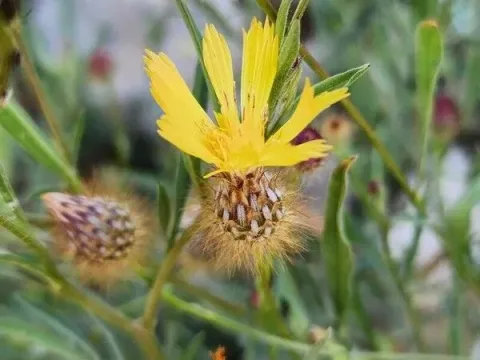
Zoegea
Zoegea
Zoegea is a genus of plants belonging to the Asteraceae family, originating from the arid regions of Western Asia. When planning the cultivation of this species, sowing should be timed to avoid frost, as the seedlings are delicate and require stable temperatures to establish properly.
What the section contains


Zoegea
The ideal time for sowing in open ground is late spring, once the soil has warmed to at least 15 degrees Celsius. Seeds are sown at a shallow depth of approximately 1 to 2 centimeters to ensure they have enough energy to reach the surface before exhausting their reserves.
Pre-treatment of seeds is not strictly necessary but can improve germination rates in colder climates. Sowing in rows spaced 30 to 45 centimeters apart allows for easy maintenance and provides adequate space for each plant to develop its unique architecture.
Once seedlings have reached the two-leaf stage, thinning is essential to prevent overcrowding. Competition for space and sunlight can lead to weak growth and poor resistance to environmental stressors in the later stages of development.
Maintaining clear rows during the early growth phase is crucial. Weed control should be performed manually or with light mechanical tools to avoid disturbing the root systems of the young plants, which are sensitive to physical damage.
The primary environmental requirement for Zoegea is full solar exposure. Given its native habitat, it thrives in intense light and will show signs of etiolation and weak flowering if grown in shaded conditions for even a portion of the day.
Soil quality must be characterized by excellent drainage. Sandy or loamy soils are preferred over dense clay, as they prevent water stagnation. Poor drainage is the leading cause of plant mortality due to root rot, which affects the crown of the plant.
Zoegea is highly drought-tolerant and performs well in regions with dry summers. Supplemental irrigation is only necessary during the initial establishment phase or during prolonged periods of extreme heat when the plant is in its peak flowering cycle.
Regarding soil fertility, Zoegea prefers low to moderate nutrient levels. Excess nitrogen leads to excessive leaf growth at the expense of floral development. Balanced mineral fertilizers should be applied sparingly, if at all, during the growing season.
The plants are adapted to arid, warm climates, meaning they perform poorly in areas with high ambient humidity. Good air circulation is vital, so planting in well-ventilated areas or avoiding high-density planting will significantly improve overall plant health.
Fungal diseases are the main threats to Zoegea cultivation. Root rot and damping-off can occur if the soil remains wet for extended periods, making moisture management the most critical task for the grower.
Common insect pests include aphids, which cluster on young buds and shoots, draining the plant's resources. Spider mites may also appear in very dry and hot conditions, manifesting as fine webbing and yellowing on the undersides of the leaves.
Effective management strategies include regular scouting to identify pest presence early. Using biological controls such as neem oil or insecticidal soaps is preferred over broad-spectrum chemicals, as these are less disruptive to the local ecosystem.
Crop rotation is essential to prevent the buildup of soil-borne pathogens. Avoid planting Zoegea in plots where other Asteraceae species have been grown in the previous two years to break the disease cycle of specific fungi.
Monitoring the soil pH is also important, as an unbalanced pH can stress the plant and reduce its natural immunity. Maintaining a neutral soil environment generally ensures the best physiological response to environmental stress.