
Zinnia marylandica
Zinnia x marylandica D. M. Spooner et al.
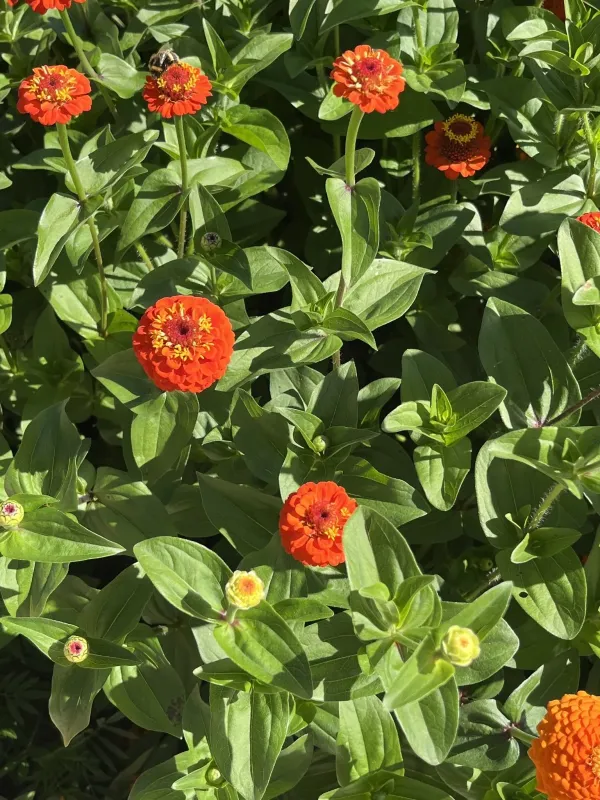
Description
Sowing dates
Zinnia marylandica is a hybrid interspecific cultivar developed from crosses between Zinnia angustifolia and Zinnia violacea. It belongs to the Asteraceae family and is widely appreciated for its disease resistance and compact habit.
Sowing indoors should begin 4–6 weeks before the last expected frost date. Use high-quality seed-starting mix and maintain consistent temperatures of 20–25 degrees Celsius for optimal germination.
When sowing directly outdoors, wait until the soil is thoroughly warm and the risk of frost has completely passed. Seeds should be planted at a depth of approximately 0.5 cm in well-prepared, loose soil.
Thinning the seedlings is crucial to ensure proper air circulation; maintain a spacing of at least 30 cm between individual plants to prevent crowding and subsequent fungal issues.
Gradual hardening off of nursery-grown seedlings is necessary for at least a week before transplanting them into their final outdoor location to prevent transplant shock.
Growing requirements
This species is highly heat-tolerant and requires a full-sun location to thrive. At least 6–8 hours of direct sunlight per day are essential to produce the characteristic vibrant blooms.
Well-drained, fertile soil is ideal for Zinnia marylandica. While they are adaptable, they will not tolerate waterlogged conditions, which often lead to root rot and other physiological stressors.
Watering should focus on the base of the plant to keep the foliage dry. Avoid overhead irrigation during late afternoon or evening hours to reduce the risk of dampness-related diseases.
Regular fertilization with a balanced, water-soluble fertilizer helps sustain flower production throughout the growing season. Apply every 2–3 weeks, depending on the richness of the garden soil.
Deadheading spent flowers is recommended to encourage continuous blooming. By removing faded blooms, you redirect the plant's energy toward producing new flower buds instead of seeds.
Main diseases and pests
While more resistant to powdery mildew than traditional zinnia species, Zinnia marylandica can still be susceptible to various leaf spot diseases if environmental conditions are overly humid.
Insect pests, including aphids, whiteflies, and spider mites, are common threats. Early detection through regular monitoring is the most effective strategy for integrated pest management.
Root rot caused by Phytophthora or Pythium species is a common problem in heavy, poorly draining soils. Improving drainage and avoiding overwatering are the primary preventative measures.
The use of reflective mulches or insecticidal soaps can help manage common pests without harming beneficial garden insects. Always apply treatments during cooler periods of the day.
Maintaining a clean garden environment by removing weeds and plant debris is the most critical step in minimizing the carryover of pests and diseases from one growing season to the next.