
Desert zinnia
Zinnia acerosa (DC.) A. Gray
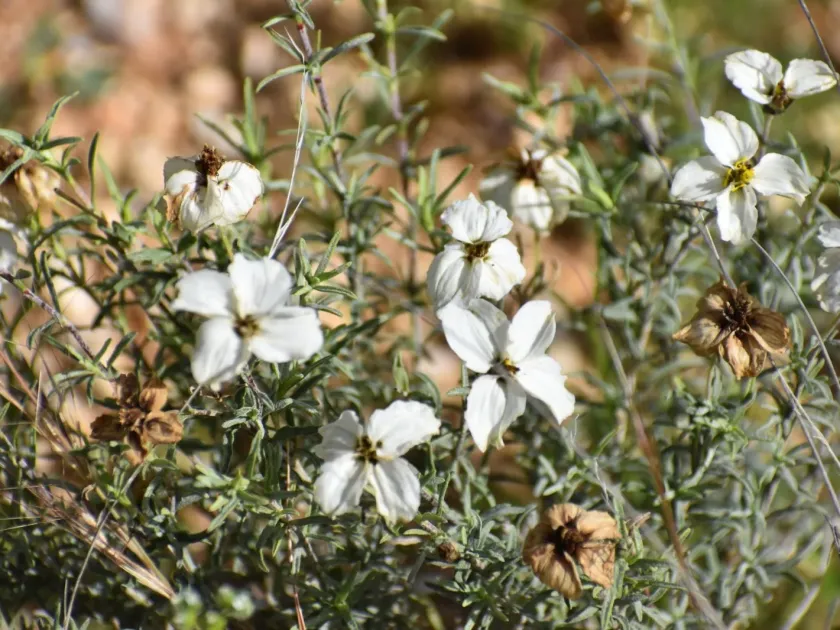
Description
Sowing dates
The sowing of desert zinnia seeds is best performed in the spring once the soil temperature has reached a consistently warm level. Late spring is the most suitable time to sow directly into the garden beds.
Starting seeds indoors is also a viable option, performed about 4 to 6 weeks before the last expected frost date. Use biodegradable pots to minimize root disturbance during the final transplanting process.
Sow seeds shallowly, covering them with no more than 0.5 cm of soil. Adequate moisture is required for germination, but the seedbed must remain aerated to prevent premature rotting.
Proper spacing is essential for plant health. Ensure each plant is separated by at least 20 to 30 cm to allow for sufficient air circulation, which is crucial for reducing fungal risks.
Consistent light exposure is vital from the moment of germination. Use grow lights if starting indoors to ensure that seedlings develop sturdy stems rather than becoming elongated and weak.
Growing requirements
Desert zinnia, a member of the Asteraceae family, is native to the arid regions of the southwestern United States and Mexico. It is specifically adapted to thrive in high-heat and high-light environments.
The primary soil requirement is exceptional drainage. This plant is a true xerophyte and will suffer significantly in clay-heavy or waterlogged soils, which lead to rapid root decline.
Full sun is non-negotiable for this species. It requires at least 6 to 8 hours of direct, unfiltered sunlight daily to maintain its compact, needle-like leaf structure and abundant flowering.
Tolerance to extreme temperatures makes it a perfect candidate for desert landscapes. It remains aesthetically pleasing even during heatwaves that would cause other garden flowers to wilt.
Avoid heavy fertilization. High-nitrogen fertilizers are detrimental to its natural growth habit, often causing the plant to prioritize foliage production over the characteristic profuse blooming.
Main diseases and pests
Powdery mildew is the most common threat, usually triggered by poor ventilation or excessively humid weather. Maintaining wide spacing between plants is the most effective preventative measure.
Aphids and spider mites may occasionally infest the plants, particularly during peak summer months. Monitor the foliage regularly and use gentle insecticidal soaps if an infestation occurs.
Root rot is a physiological condition caused by overwatering. Always allow the top layer of soil to dry out completely before providing additional irrigation to the plant.
Caterpillars can occasionally feed on the leaves. Manual removal is typically sufficient for small garden plantings, avoiding the need for harsh chemical treatments.
Sanitation is key to disease management. Always clear away dead plant debris from the base of the plant to eliminate potential overwintering spots for various fungal spores.
Harvesting
Harvesting flowers for decorative use should be done early in the day when the buds are fully open. Sharp garden shears are recommended to ensure a clean cut that heals quickly.
If harvesting for seeds, leave the flower heads on the stalk until they have completely dried and turned a light brown. This ensures that the seeds have reached physiological maturity.
In landscaping, desert zinnia is highly valued for xeriscaping and rock gardens. Its unique, needle-like foliage provides a distinct texture that contrasts well with broader-leaved plants.
For cut flower arrangements, remove any foliage that would be submerged in water. This practice prevents bacterial buildup and keeps the floral display fresh for an extended period.
Store harvested seeds in cool, dry conditions within paper envelopes. Proper storage allows the seeds to remain viable for several years, making it an excellent plant for seed savers.