
Zinnia elegans
Zinnia elegans Jacq.
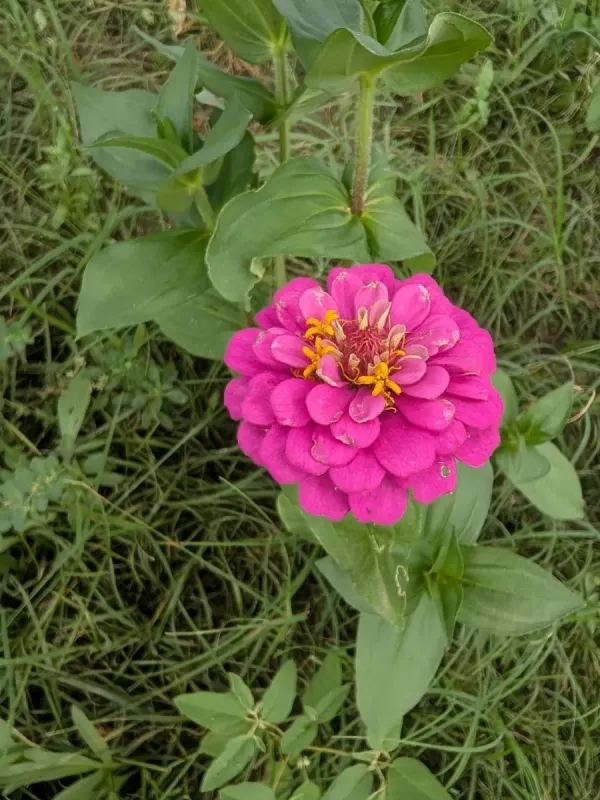
Description
Sowing dates
Zinnia elegans is typically sown either directly into the soil or started as transplants to encourage earlier blooming. In regions with moderate climates, direct sowing should only occur after all risks of frost have passed, usually in late May.
For transplant production, seeds are sown in a fertile substrate about 4–6 weeks before the planned outdoor planting date. Ideal germination temperature ranges between +22...+25 °C, with seedlings emerging within 5–7 days.
When growing transplants, it is essential to provide adequate light, as insufficient illumination causes seedlings to become leggy, significantly reducing the quality of future flower stalks. Pricking out is performed at the two-true-leaf stage.
Transplants are set in the open field with spacing ranging from 20x20 to 40x40 cm, depending on the variety’s stature and the intended design of the planting site.
When direct seeding, bury the seeds at a depth of 1–2 cm. Maintaining moderate soil moisture is crucial during the germination phase to prevent the top layer from drying out, which could jeopardize the success of the sowing.
Growing requirements
Zinnia elegans is a heat-loving and sun-loving plant belonging to the Asteraceae family, native to Mexico. The plant is highly sensitive to freezing temperatures and will perish even during short-term frost events.
Success requires well-lit, wind-protected areas, as fragile stems may break under adverse weather conditions. While zinnias show good drought resistance, they require regular irrigation to produce high-quality blooms.
Soils should be fertile, neutral in pH, light, and well-drained. Waterlogging in the root zone is detrimental, as it quickly leads to root rot diseases that can kill the entire plant.
The culture responds well to balanced organic and mineral fertilization. However, excessive nitrogen application should be avoided, as it promotes vigorous vegetative growth at the expense of flower development.
Throughout the growing season, regular weeding and soil loosening are necessary to improve root aeration and minimize competition for nutrients and water, ensuring healthy development.
Yield
The economic value of Zinnia elegans is primarily focused on the cut flower industry and landscape design. Flowering begins 60–80 days after germination and continues until late autumn.
Productivity is highly dependent on maintenance practices: removing spent blossoms stimulates new bud development, significantly extending the blooming period and improving the quality of the harvested flowers.
Commercial growers primarily produce double and semi-double flowering varieties, which are valued for their durability, vase life, and transportability, making them a profitable crop in floriculture.
The plant is prized for its sturdy stems and rich color palette, ranging from pure white to deep burgundy and violet. Its varied height allows for usage in both grand floral displays and mixed borders.
Zinnia is a cross-pollinated species; therefore, when growing seeds for commercial purposes, maintaining spatial isolation between different varieties is essential to ensure seed purity.
Main diseases and pests
Major threats to this crop include fungal diseases such as Alternaria leaf spot, powdery mildew, and Fusarium wilt. These diseases flourish in high humidity and poor air circulation among plant groupings.
Pests that cause the most damage include aphids, spider mites, and various bug species that feed on the sap of young leaves and flower buds. Infestations often require the use of targeted insecticides.
Slugs and snails can damage young seedlings during the early growing season. Regular field monitoring is recommended, along with mechanical barriers or bait if populations become threatening to crop density.
To minimize phytosanitary risks, crop rotation is mandatory; do not plant zinnias in the same spot more often than every 3–4 years. Avoiding overhead irrigation is also a critical practice to reduce disease outbreaks.
- Preventive fungicide applications
- Removal of plant debris in autumn
- Maintaining optimal plant density
- Regular inspection for pest activity
Harvesting
Harvesting for cut flowers is performed on dry days once the blooms are fully opened. When placed in water, cut zinnias can maintain freshness for up to 10–14 days if the water is changed regularly.
For seed production, harvest the seed heads once they have browned and dried out. Seeds retain high viability for up to 3–4 years when stored in a cool, dry, and dark environment.
Select the healthiest and most variety-typical specimens for seed harvesting. It is vital to perform the collection in dry weather to prevent molding during subsequent storage in airtight containers.
To maximize the yield of high-quality seeds, allow the central blooms to fully mature while ceasing irrigation to accelerate the natural dehydration of the plant tissues.
Cleaning seeds involves winnowing to remove chaff, followed by thorough drying in a well-ventilated area until a moisture content of 8–10% is reached, ensuring safe long-term storage.