
Narrowleaf zinnia
Zinnia angustifolia Kunth
Description
Sowing dates
Zinnia angustifolia is a tender annual that requires warm soil to germinate effectively. Direct sowing into the garden beds should only occur after all risk of frost has passed in late spring.
If starting seeds indoors, use seedling trays with a high-quality potting mix. Sow seeds at a depth of approximately 0.5 centimeters and maintain consistent warmth around 23 degrees Celsius.
Seedlings should be moved to individual containers once they develop their first set of true leaves. This prevents root entanglement and reduces transplant shock later in the season.
Hardening off the plants is a critical step before moving them to the outdoor garden. This process involves gradually introducing the plants to outdoor conditions over the course of one week.
When transplanting, ensure the garden soil is worked to a fine tilth and enriched with organic matter to provide a strong start for the young zinnia plants.
Growing requirements
A member of the Asteraceae family, the Narrowleaf zinnia is native to Mexico. Its compact growth habit and heat tolerance make it a popular choice for diverse landscape applications.
The plant thrives in full sun, requiring at least six to eight hours of direct light daily to produce its characteristic abundant, star-shaped blossoms throughout the summer.
Well-draining, moderately fertile soil is essential for success. Heavy clay soils that retain excessive water will likely cause crown rot and should be amended with sand or compost.
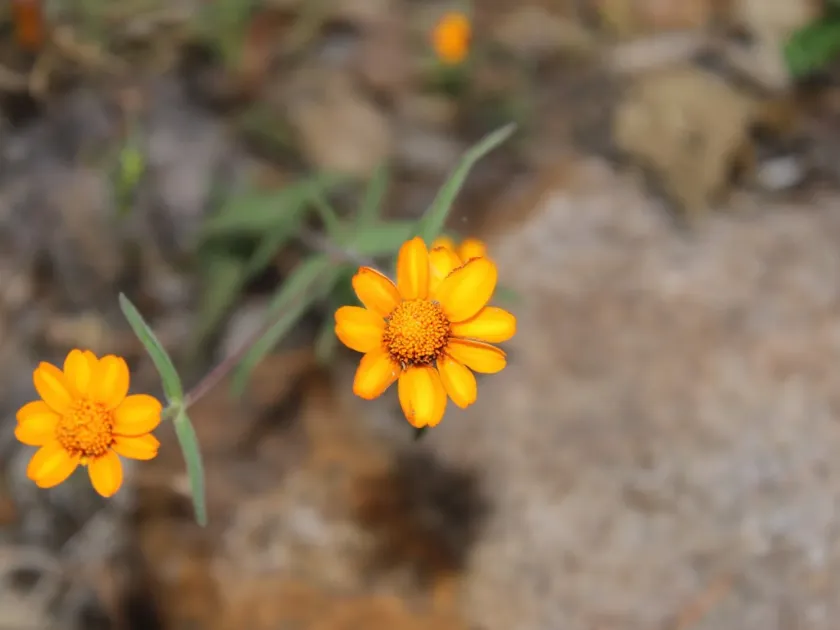
Botanically, it is distinguished by its narrow, lanceolate leaves and a highly branching structure that does not typically require staking, unlike many other zinnia species.
While the species is notably drought-tolerant once established, regular irrigation during extreme dry spells will maximize flower production and maintain foliage vitality.
Main diseases and pests
Powdery mildew is the most common fungal disease affecting Zinnia angustifolia, especially in climates with high humidity or poor air circulation within the plant canopy.
Aphids often target the succulent new growth and flower buds, potentially vectoring viruses. Regular scouting of the foliage is recommended to catch infestations early.
Spider mites can become a problem during hot, dry weather. They thrive in dusty conditions, so keeping the area around the plants clean can help mitigate their impact.
To reduce the incidence of disease, it is best to avoid overhead watering. Directing water to the base of the plant keeps the leaves dry and reduces the risk of fungal spores spreading.
Strategic pruning of diseased plant parts and clearing away garden debris at the end of the season are effective cultural practices to disrupt the life cycle of many common pests.