
Ptilostemon
Ptilostemon
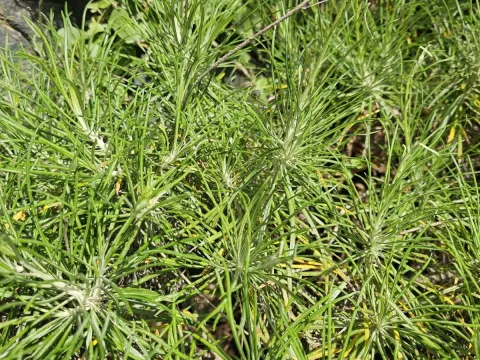
Ptilostemon is a genus of perennial plants and subshrubs belonging to the Asteraceae family. These plants are closely related to thistles and are characterized by their spiny, thistle-like leaves and attractive, often vibrant, flower heads that range in shades of pink, purple, and white.
What the section contains
 Ptilostemon afer
Ptilostemon afer
Ptilostemon afer
 Ptilostemon casabonae
Ptilostemon casabonae
Ptilostemon casabonae
 Ptilostemon chamaepeuce
Ptilostemon chamaepeuce
Ptilostemon chamaepeuce
 Ptilostemon diacantha
Ptilostemon diacantha
Ptilostemon diacantha
 Ptilostemon echinocephalus
Ptilostemon echinocephalus
Ptilostemon echinocephalus
 Ptilostemon gnaphaloides
Ptilostemon gnaphaloides
Ptilostemon gnaphaloides
 Ptilostemon hispanicus
Ptilostemon hispanicus
Ptilostemon hispanicus
 Ptilostemon stellatus
Ptilostemon stellatus
Ptilostemon stellatus
 Ptilostemon strictus
Ptilostemon strictus
Ptilostemon strictus
Ptilostemon
The native range of Ptilostemon extends across the Mediterranean basin, the Caucasus, and parts of Southern Europe. They are naturally adapted to open, arid environments, rocky outcrops, and sunny slopes, which makes them highly resilient to various environmental stressors.
To successfully cultivate Ptilostemon, it is essential to select a site with full sun exposure. These plants thrive in light, gritty, or sandy soils that possess excellent drainage. Poorly drained soil is the most significant factor that limits their growth and long-term survival.
The agrotechnical requirements for this genus are relatively modest. Being drought-tolerant perennials, they do not require frequent irrigation once established. Furthermore, they perform well in nutrient-poor soils, meaning intensive fertilization programs are generally unnecessary for these plants.
In terms of agricultural and horticultural use, Ptilostemon is primarily valued as an ornamental species. It is frequently incorporated into xeriscapes, dry gardens, and meadow-style landscaping. Additionally, its nectar-rich flowers make it a highly beneficial plant for supporting local pollinator populations.
The primary threat to the health of Ptilostemon is root rot, which typically develops in heavy or waterlogged soil conditions. Proper soil structure and efficient drainage are vital to prevent fungal pathogens from attacking the root system, especially during the dormant winter months.
Pests that occasionally affect Ptilostemon include aphids, which often colonize the flower buds and tender shoots during the spring growth phase. In some regions, leaf-eating beetles may also cause aesthetic damage. Integrated pest management, including regular monitoring and targeted insecticidal applications, is recommended if infestations become significant.