
Ptilostemon hispanicus
Ptilostemon hispanicus
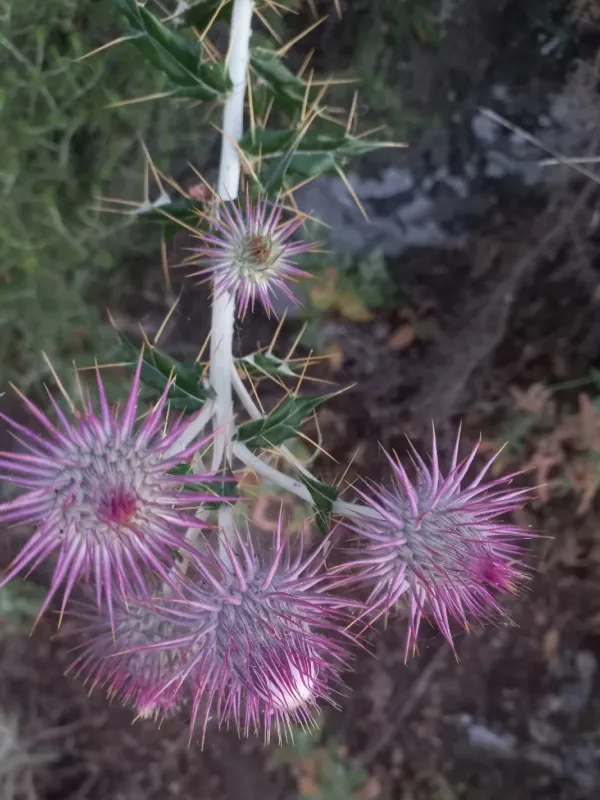
Description
Sowing dates
Ptilostemon hispanicus seeds are typically sown in early spring once the soil has warmed up sufficiently. A location with well-drained, sandy, or gravelly soil is essential for successful germination.
For better results in cooler climates, starting seeds indoors in late winter is recommended. Use a porous seed-starting mix and maintain a temperature of approximately 20 degrees Celsius.
Seeds require light to germinate, so they should be pressed lightly into the soil surface rather than buried deep. Keeping the substrate consistently moist but not saturated is crucial during this phase.
Once seedlings have developed their first true leaves, they can be hardened off and transplanted. Careful handling of the roots is necessary, as Ptilostemon species can be sensitive to root disturbance.
Space the plants adequately to ensure proper airflow, which is critical for preventing diseases as the plants mature into their rosette form.
Growing requirements
As a member of the Asteraceae family, Ptilostemon hispanicus thrives in full sun. It requires a position that receives at least six to eight hours of direct sunlight daily to produce healthy blooms.
The plant is highly drought-tolerant, adapted to rocky and lime-rich soils. It is vital to ensure excellent drainage, as the roots are prone to rotting in heavy or waterlogged soil.
This species is well-suited for rock gardens and Mediterranean-style landscapes. It requires very little soil amendment and can even perform poorly if fertilized too heavily with nitrogen.
Maintenance needs are low once the plants are established. They are quite hardy and can withstand the harsh conditions found in natural, exposed habitats.
Ensuring the plant has access to well-aerated soil is the most important factor in its cultivation, as this promotes the development of a healthy and deep taproot system.
Main diseases and pests
The primary threat to Ptilostemon hispanicus is root rot caused by poor soil drainage and excessive moisture. This is especially problematic during the winter or rainy seasons.
Fungal diseases like powdery mildew can occur if there is insufficient air circulation around the foliage. Proper spacing during planting is the best preventive measure.
Pests such as aphids may occasionally congregate on the tender flower buds. Monitoring during the active growing season allows for early intervention with mild soaps or oils.
Slugs and snails may target young seedlings, so protective measures should be implemented if these pests are present in the garden area during the early stages of growth.
- Root rot due to waterlogged conditions.
- Powdery mildew in stagnant air.
- Aphid infestations on buds.
- Slug damage to young foliage.
Harvesting
Harvesting Ptilostemon hispanicus for decorative use should take place when the flower heads are fully open and vibrant. Cut the stems clean to maintain the integrity of the plant.
It is best to harvest on a dry, sunny morning after the dew has evaporated. This ensures that the material is as dry as possible, reducing the risk of mold during drying.
Hang the harvested stems upside down in a cool, dark, and well-ventilated location. This method effectively preserves the structure and color of the unique flower heads.
Once dried, the stems can be used in a variety of dried floral arrangements, maintaining their decorative appeal for several months.
Regular deadheading of the spent blooms, if not intended for seed collection, can tidy up the plant's appearance and prevent the plant from wasting energy on seed production.