
Ptilostemon echinocephalus
Ptilostemon echinocephalus
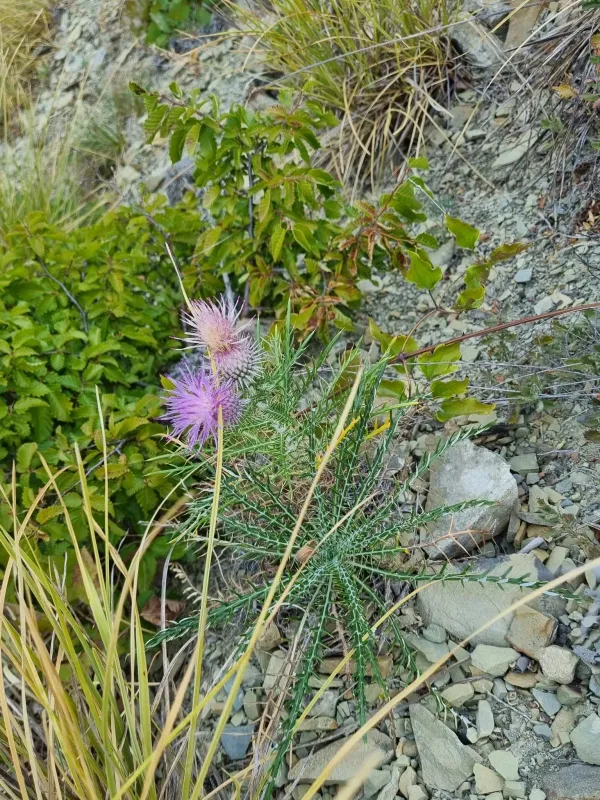
Description
Sowing dates
Sowing of Ptilostemon echinocephalus seeds is ideally performed in late autumn or early spring, ensuring the seeds undergo a natural stratification period for optimal germination.
Seeds should be placed at a shallow depth of 1–2 centimeters, which allows for sufficient soil temperature and humidity to trigger the biological processes of sprouting.
Maintaining a row spacing of 40 to 60 centimeters is recommended to provide sufficient space for the development of large leaf rosettes throughout the growing season.
Successful establishment depends heavily on keeping the seedbed moist during the first few weeks, as the seedlings are susceptible to drought until their root systems are fully developed.
Precision planting techniques are often utilized in commercial agricultural settings to ensure uniform emergence and reduce the labor requirements for thinning the crop.
Growing requirements
Ptilostemon echinocephalus is a resilient member of the Asteraceae family that thrives in well-lit, open environments with excellent drainage capabilities.
The plant demonstrates impressive drought tolerance, making it a viable candidate for cultivation in arid or semi-arid climates where water conservation is critical for farming.
Sandy or light loamy soils with a neutral pH are ideal for ensuring healthy growth and preventing the common issues associated with poor soil aeration.
Avoid planting in areas prone to waterlogging, as the species is highly sensitive to root asphyxiation, which can quickly lead to plant death and reduced stand density.
Periodic maintenance, including weed management during the establishment phase, is essential for maximizing the vegetative potential of this slow-growing perennial.
Main diseases and pests
Fungal pathogens such as root rot represent the most significant threat to the crop, particularly when cultivation occurs in soils with poor water infiltration.
Pests like aphids and spider mites may occasionally infest the foliage, especially during periods of extreme heat or environmental stress which weaken the plant's natural defenses.
Powdery mildew can manifest in humid or overcrowded plantings, necessitating proper field hygiene and the maintenance of adequate ventilation between plant rows.
Effective disease management strategy should prioritize the use of crop rotation cycles to disrupt the life cycles of soil-borne pathogens that target the Asteraceae family.
Regular field scouting is highly recommended to identify early signs of infestation and to apply integrated pest management strategies before they impact overall yields.