
Ptilostemon diacantha
Ptilostemon diacantha
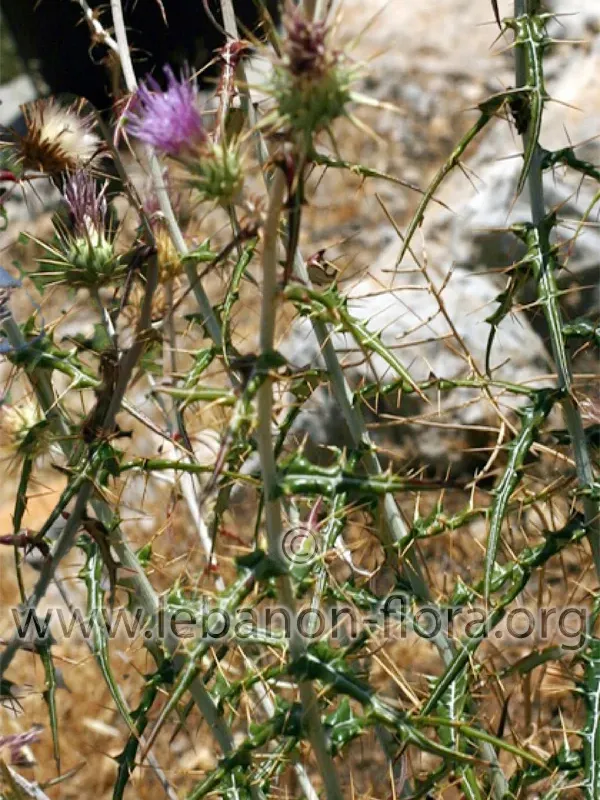
Description
Sowing dates
Sowing of Ptilostemon diacantha is typically performed in early spring or late autumn. Seeds benefit from a period of stratification to break dormancy and ensure uniform germination across the plot.
When starting indoors, sow seeds in well-draining seed-starting mix. Maintain temperatures between 18–20°C (64–68°F), ensuring the soil remains moist but not saturated until seedlings emerge.
Transplant seedlings into individual pots once they reach the true-leaf stage. This promotes root development, making the plants more resilient when transitioned to the final growing site.
Outdoor planting occurs after the last frost danger has passed. Choose a location with full sun exposure, as this species requires high light intensity for optimal growth and flowering.
Space plants approximately 50 cm apart to ensure good airflow. Crowding can lead to humidity buildup around the base, which is detrimental to this species' overall health.
Growing requirements
Ptilostemon diacantha belongs to the Asteraceae family. It is a highly drought-tolerant perennial adapted to Mediterranean-like conditions and rocky, low-fertility soils.
The ideal growing medium is sandy or loamy soil with excellent drainage. Avoid heavy clays, as they retain too much moisture and can cause root decay during the dormant season.
Exposure to full sunlight is critical for this plant. In environments with excessive shade, the stalks may weaken, and the plant will likely fail to reach its full flowering potential.
Water requirements are minimal once the plant is established. Its deep taproot allows it to source water efficiently, making it suitable for low-maintenance landscapes and rock gardens.
Fertilization should be kept to a minimum. Over-application of nitrogen can lead to excessive, lush growth that is susceptible to pests and lacks the plant's characteristic robustness.
Main diseases and pests
Fungal infections remain the primary threat to this crop, particularly in high-humidity or poorly ventilated conditions. Root rot is the most common result of overwatering.
Preventative measures include choosing well-drained planting sites and ensuring adequate airflow between specimens. If necessary, use copper-based fungicides to manage initial symptoms.
Pests such as aphids and spider mites can infest the plant, especially during prolonged heatwaves. Regular monitoring during the active growth period is essential for early detection.
Use appropriate insecticidal soaps or systemic treatments to manage pest populations without damaging the plant's unique foliage. Always follow application guidelines to protect pollinators.
Root pests, including wireworms, can damage young plants. Soil preparation, including turning the soil before planting, is a key strategy for reducing soil-dwelling pest populations.
Harvesting
Harvesting for dried arrangements should occur when the flower heads are fully open. Due to the presence of sharp spines, workers must wear heavy-duty gloves for protection.
Dry the stems by hanging them upside down in a shaded, well-ventilated area. This helps preserve the aesthetic quality of the blooms and prevents stem curvature during drying.
Seed collection is possible once the seed heads turn dark brown. Carefully handle the heads to ensure the seeds do not disperse prematurely due to their feathery appendages.
Post-harvest cleaning involves removing excess chaff from the seeds. Dry the collected material at room temperature to ensure it is suitable for long-term storage.
Store seeds in breathable paper bags in a cool, dark environment. Proper storage conditions allow the seeds to remain viable for several growing seasons.