
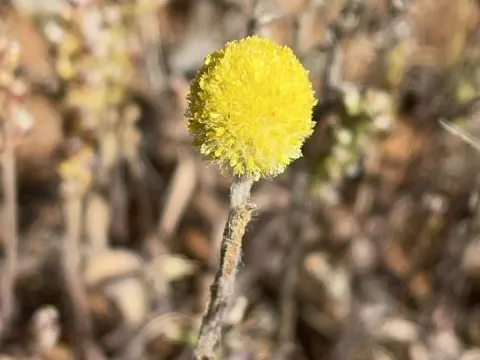
Pycnosorus
Pycnosorus
Sowing Pycnosorus seeds, commonly known as billy buttons or craspedia, is best done in late winter or early spring using a seed starting tray. Use a well-draining, lightweight seed compost to ensure optimal germination conditions.
What the section contains

Pycnosorus
Germination typically occurs within two to four weeks at a constant temperature of 20–22 degrees Celsius. Seeds should not be buried too deeply, as they require sufficient light exposure to initiate the sprouting process.
Once the first set of true leaves develops, transplant the seedlings into individual pots or cell trays to allow the root system to become robust. This step is crucial for preparing the plants for outdoor conditions.
Hardening off the seedlings is an essential process that should last at least two weeks before transplanting into the garden. Gradually introducing plants to external temperatures and direct sun reduces transplant shock.
Transplanting into the permanent garden site should occur only after the danger of frost has passed. As a heat-loving plant, Pycnosorus thrives in stable, warm weather and does not tolerate sudden cold snaps in its early stages.
Pycnosorus is a perennial herb belonging to the Asteraceae family, native to the arid regions of Australia. It requires a site that receives full sun exposure throughout the day to ensure healthy growth and flower production.
While the plant is not overly demanding regarding soil fertility, excellent drainage is non-negotiable. Soil that retains excessive water will inevitably lead to root rot and the decline of the plant.
This species is exceptionally drought-tolerant due to its evolutionary adaptation to Australian desert-like climates. Moderate watering during prolonged dry spells is sufficient, and over-watering should be strictly avoided.
The ideal soil pH for Pycnosorus is slightly acidic to neutral. In heavy clay soils, it is recommended to incorporate sand, gravel, or perlite to improve soil structure and aeration for the delicate root system.
Effective weed control is vital, as the plant does not compete well with vigorous weeds. Keeping the area clear allows the plant to access all necessary nutrients and sunlight without competition.
The yield of Pycnosorus is measured by the number of high-quality flower heads produced, which are prized in the floral industry. A healthy, mature plant can produce up to 15 stems per season if managed correctly.
Flower production is enhanced by regular deadheading, which encourages the plant to initiate new stems. In commercial cultivation, a planting density of approximately 10 plants per square meter is standard for optimal yields.
Utilizing drip irrigation is highly recommended to improve productivity. By delivering water directly to the root zone, you prevent the foliage from staying wet, which significantly reduces the risk of fungal infections.
Harvesting should occur when the flower heads are fully open, as they are at their maximum size and color intensity at this stage. Timing is essential to ensure longevity for dried floral arrangements.
Plants are most productive during their second year, as the established root system provides the necessary energy for larger and more frequent blooming cycles throughout the growing season.
Excessive humidity and poor air circulation are the primary threats to Pycnosorus, often leading to powdery mildew and various root rot pathogens. This is particularly problematic in damp, cool climates.
Pests such as aphids and spider mites can cause damage during hot and dry spells. Regular inspection of the undersides of leaves and flower heads helps in identifying pest outbreaks before they escalate.
To prevent disease, maintain proper spacing between plants to ensure a steady airflow. Avoiding overhead irrigation also significantly decreases the incidence of moisture-related fungal issues.
- Implement strict crop rotation schedules to prevent soil-borne pathogens.
- Apply fungicides only as a curative measure for confirmed infections.
- Remove and destroy all plant debris at the end of the season to eliminate overwintering sites for pests.
Biological pest control methods, such as introducing beneficial insects, are encouraged for organic gardeners to maintain a balanced ecosystem.
Harvesting flower stems is done manually using sharp, clean secateurs. It is best to perform this task in the morning, once the dew has evaporated but before the heat of the day peaks.
Immediately after cutting, gather the stems into bunches and hang them upside down in a shaded, well-ventilated area. Avoid direct sunlight, as it will cause the vibrant yellow pigment to fade quickly.
Drying typically takes about 10 to 14 days. Properly dried stems become rigid and retain their iconic globe shape, which is why they are highly sought after in dried flower arrangements.
Once fully dried, these flowers are very durable and can maintain their decorative appeal for years if stored in a cool, dry environment away from high humidity.
When packing for transport, ensure the boxes are rigid to prevent the fragile flower heads from being crushed or damaged, as they are susceptible to mechanical stress.