
Ptilostemon strictus
Ptilostemon strictus
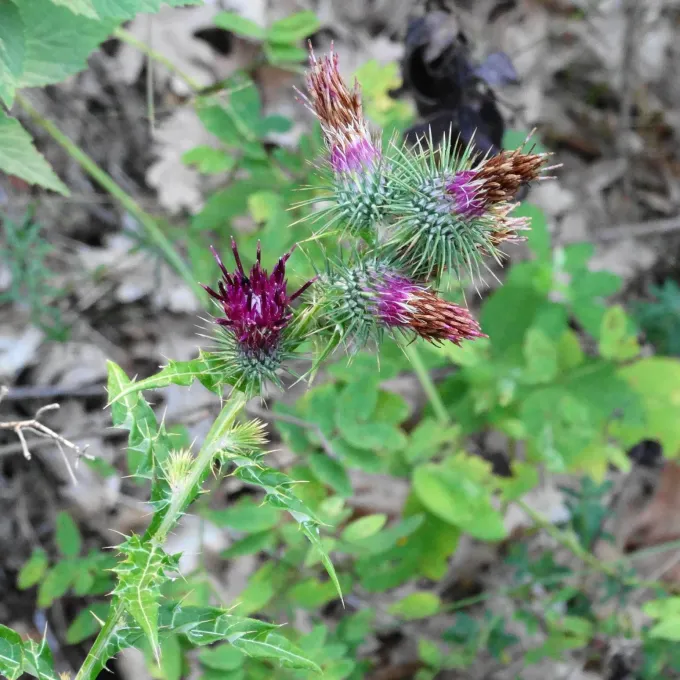
Description
Growing requirements
Ptilostemon strictus is a perennial plant belonging to the Asteraceae family, recognized for its architectural structure and resilience in arid environments. This species is highly valued in specialty horticulture for its unique morphological features.
The plant originates from the Mediterranean region, where it has adapted to dry and nutrient-poor soils. Its evolutionary development as a xerophyte makes it an ideal candidate for low-maintenance landscapes and xeriscaping projects.
Successful cultivation requires soil that offers superior drainage. Heavy or waterlogged soils are detrimental to this species, as they induce root hypoxia and facilitate the onset of various fungal infections that can kill the plant quickly.
Regarding climate conditions, Ptilostemon strictus thrives under full sun exposure. It demonstrates remarkable heat tolerance, allowing it to maintain vigor during high-temperature periods when other species might wilt or go dormant.
The plant's botanical structure consists of rigid, upright stems and characteristic thistle-like flower heads. The foliage is often pubescent, an adaptation that significantly reduces water loss through transpiration in hot and dry climates.
Main diseases and pests
The most common health issues for Ptilostemon strictus are fungal root rots caused by excessive moisture levels in the root zone. Ensuring well-draining soil and adequate spacing between plants is essential for prevention.
Aphids are the primary pests that affect the plant's growth by feeding on sap and excreting honeydew, which can lead to sooty mold development. Monitoring is crucial, especially during the early stages of spring growth.
Powdery mildew can occur if there is insufficient air circulation or high relative humidity in the growing area. Proactive spacing and site selection that promotes rapid drying of foliage are effective non-chemical management strategies.
Slugs and snails can cause significant damage to seedlings and young rosette stages. Implementing physical barriers such as coarse grit or gravel mulch around the base of the plant effectively discourages these mollusks.
In cases of severe infestation or disease, application of targeted pest control measures or fungicides is recommended. Always prioritize integrated pest management (IPM) practices to maintain the balance of the local ecosystem.