
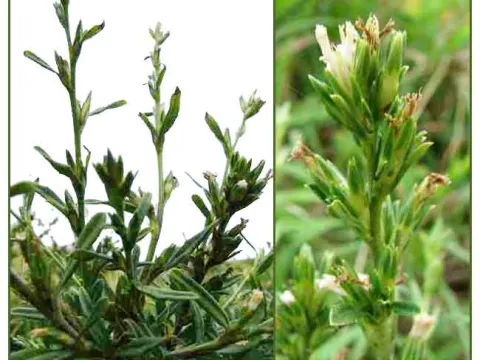
Pseudelephantopus
Pseudelephantopus
Pseudelephantopus is a genus of perennial herbaceous plants belonging to the Asteraceae family. These plants are native to tropical regions of the Americas and Asia, where they thrive in warm and humid environments.
What the section contains

Pseudelephantopus
Successful cultivation begins with selecting a site with well-warmed soil. Planting typically occurs at the onset of the rainy season to provide consistent moisture for germination and early seedling development.
Seeds should be planted at a shallow depth of approximately 1–2 centimeters. Proper contact with the soil is essential, and moisture levels must be maintained without allowing the soil to become waterlogged.
In industrial settings, row planting is preferred to facilitate weed control and ensure uniform light exposure. Seedlings establish themselves quickly under tropical temperatures ranging from 22 to 25 degrees Celsius.
The plant has a strong capacity for self-seeding, yet managed cultivation ensures higher uniformity in biomass production. Proper spacing between rows promotes airflow, which is critical for plant health.
This crop performs best in well-drained, fertile sandy or loamy soils. It has a low tolerance for poor drainage, which can lead to rapid root degradation, making site selection a priority for growers.
Pseudelephantopus is a sun-loving plant that requires full exposure to thrive. Shade significantly reduces photosynthetic activity, leading to lower yields and a decrease in the concentration of beneficial secondary metabolites.
Climatic requirements are strict as the plant is highly sensitive to frost. Consequently, its cultivation is restricted to tropical and subtropical zones where temperatures remain above freezing throughout the year.
While the plant shows some drought resilience once established, consistent moisture is required to maximize biomass output. Irrigation is recommended during prolonged dry spells to avoid plant stress.
Soil fertility can be managed with organic amendments or balanced NPK fertilizers applied during the early growth stages to support the rapid development of the root system and foliage.
Economic value is derived primarily from the aerial parts of the plant, which are utilized for various pharmacological and traditional medicine purposes. Quality is determined by the content of specific bioactive compounds.
Harvesting efficiency depends on the ability of the plant to regenerate after cutting. With proper management, multiple harvests can be obtained in a single growing season through selective pruning.
The final yield is heavily influenced by the post-harvest process. Drying must be performed in shaded, well-ventilated areas to ensure that the chemical profile of the plant remains intact for end-users.
Yield management requires careful attention to the growth stage. Harvesting prior to mass flowering is essential to ensure that the energy of the plant is stored in the leaves rather than in seed production.
Market profitability is sustained by adhering to strict quality control standards, ensuring the dried product is free from moisture and contamination, which are common issues in tropical climates.
The main threats to this crop include fungal pathogens such as powdery mildew and various root rot fungi, often exacerbated by high humidity and poor circulation within dense planting zones.
Common pests such as aphids and spider mites can infest the foliage, reducing plant vitality. In wetter conditions, slugs may also pose a threat to younger plants during the early vegetative stage.
Preventative strategies, including crop rotation and the removal of plant debris, are vital. These actions minimize the risk of pathogen buildup and disrupt the life cycles of insect pests.
Biological pest control is preferred to synthetic chemicals, especially given the plant's frequent use as a raw material for herbal medicines. Maintaining plant vigor is the first line of defense.
Regular monitoring of the field allows for early detection of infestations. Timely interventions at the onset of symptoms can prevent localized problems from developing into field-wide disasters.
The harvesting process begins when the plant reaches the desired biomass level, typically just before flowering. At this stage, the leaves are at their peak for medicinal extraction.
Harvesting is performed by cutting the stems at a specific height to encourage regrowth. Using clean, sharp tools is essential to minimize plant stress and prevent the entry of pathogens into the tissue.
Once harvested, the material should be processed immediately. Delayed drying can lead to fermentation or rapid degradation of the plant’s active components due to high tropical temperatures.
Packaging and storage require low-moisture environments. Since the raw material is prone to re-absorbing moisture, proper sealing is necessary to maintain quality during transport and storage.
Field sanitation post-harvest is a crucial step in maintaining the health of the site. Removing leftover stems and debris prevents the establishment of a micro-environment for pathogens.