
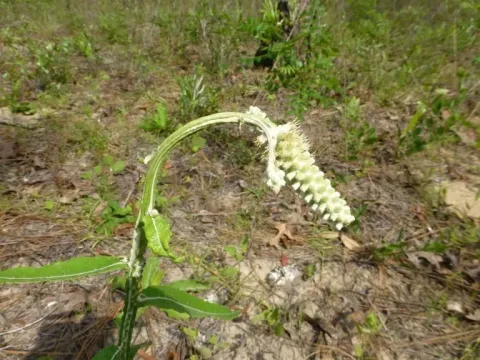
Pterocaulon
Pterocaulon
Sowing Pterocaulon requires careful seed preparation, as the species often relies on specific temperature triggers for germination. Early spring is considered the ideal time to start indoor sowing to allow the plants to develop sufficient root mass.
What the section contains


Pterocaulon
The substrate must be well-drained and light, containing a high percentage of sand or perlite. Seeds should be surface-sown or barely covered with soil, as they need exposure to light to trigger biological growth mechanisms.
Temperature management during the germination phase is critical, with optimal levels typically ranging between 20°C and 25°C. Keeping the soil consistently moist but not saturated is essential for success.
Seedlings should be moved to individual containers once they develop their first set of true leaves. This prevents root competition and prepares the plants for final transplantation.
In field conditions, transplantation occurs only after the soil has warmed up significantly and all frost risks have passed. Proper spacing is vital to ensure each plant gets enough sunlight.
Pterocaulon belongs to the Asteraceae family and is known for its preference for full sun exposure. It is a resilient plant capable of handling moderate periods of drought once the root system is well-established.
The soil should have a neutral pH and excellent drainage properties. Soils that retain too much moisture, such as heavy clays, can lead to severe physiological stress and root death.
While the plant is hardy, it requires consistent moisture during its initial growth stages. Watering should be done at the base of the plant to keep the foliage dry and reduce the risk of diseases.
Regular cultivation of the soil between rows helps to maintain good aeration, which is vital for the health of the roots. This also aids in weed control, as Pterocaulon does not compete well with vigorous weeds.
Mulching with organic matter is recommended to stabilize soil temperature and moisture levels, especially in regions with hot and dry summer climates.
Root rot is the most significant threat to Pterocaulon, particularly in areas with poor drainage or excessive rainfall. Preventive measures include proper field layout and ensuring that water does not pool around the plant stems.
Powdery mildew represents a common fungal issue that affects the leaves during humid spells. Increasing air circulation around the plants is one of the most effective ways to mitigate this risk.
Spider mites are common pests that thrive in dry environments and can quickly damage the plant foliage. Regular inspection of the underside of leaves is necessary for early detection and control.
Aphids can also colonize the growing tips of the plants, causing stunting and leaf curling. Integrated pest management, including the use of beneficial insects, can help control aphid populations effectively.
Soil-borne pests may also pose a threat if the field has not been properly cleared of debris from previous crop cycles, so maintaining field hygiene is an essential part of the agronomic strategy.